
The 13 Most Important French Films of All Time
Ever since the short film A Trip to the Moon (1902), the cinema of France has influenced creatives across the world. French directors used rock-solid screenplays and innovative techniques of behind-the-scenes filmmaking to leave indelible impacts on critics and fans alike. And although several of these titles may go down as unfamiliar to more modern American audiences, that doesn’t render them as anything less than absolutely essential viewings for fans of the medium in general.
Their respective directors are the most prominent that Frenchcinema has ever had to offer, and justifiably so. These projects are all truly masterful from beginning to end. All that said, these are the most important French films of all time, ranked.
13 Le Samouraï (1967)
\n
\n « »>
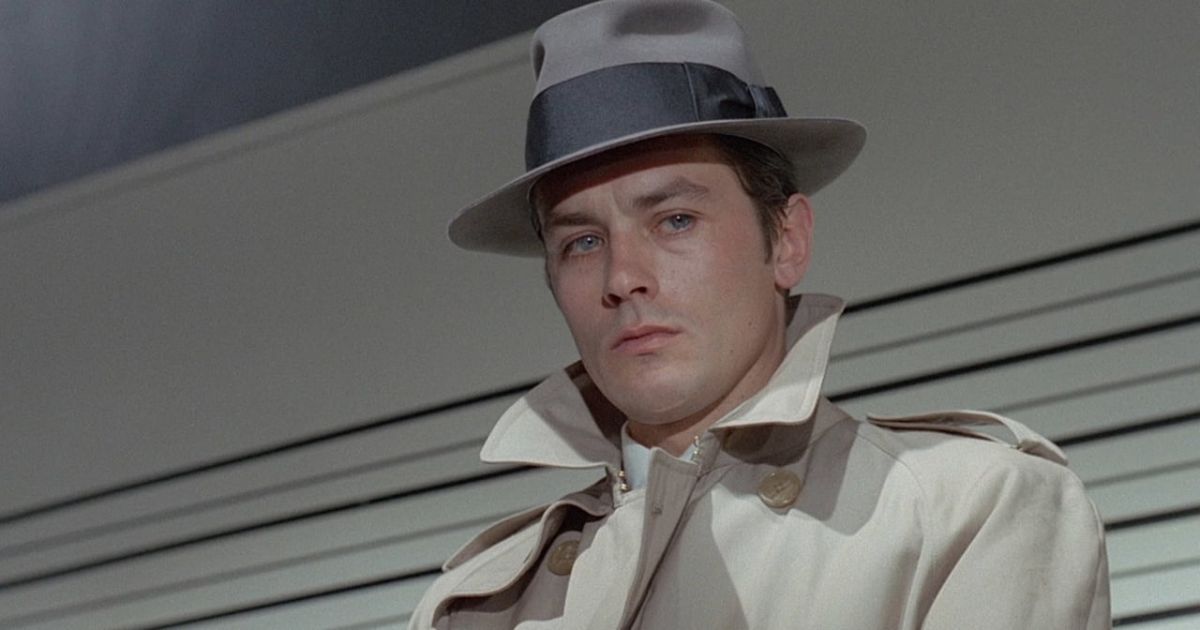
The influence of Le Samouraï (1967) stretched across the world thanks mainly to the electric dynamic between the lead characters. But pundits also had positive things to say across the board of criticism, with several homing in on the atmospheric and stylish direction of legendary filmmaker Jean-Pierre Melville. And as it follows a hitman tracking down his unknown employers who, after a job somewhat gone wrong, tried to have him killed.
The result is a masterful thrill ride through the French underworld, with several tropes of the crime genre playing brilliant roles in the overall narrative. Police lineups, surveillance bugs, undercover operations — every plot point you could muster, and more. The project in general inspired creatives across the world such as Walter Hill and John Woo, and its legacy will likely live on for decades to come.
12 Caché (2005)
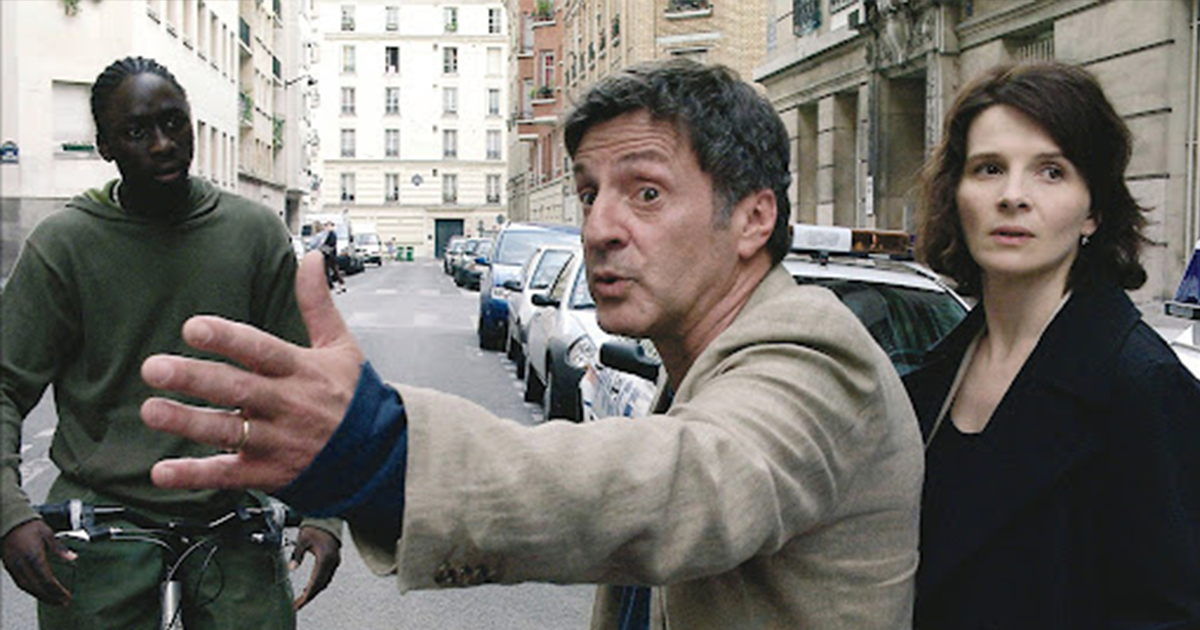
Directed by Michael Haneke, this has one of the more engrossing plots of the list just on premise alone. Caché (2005) follows a Parisian couple — Georges, a TV talk show host, and his wife, Anne — receive a series of videotapes that imply that they’re being stalked. Or at least, under surveillance to some degree. And the result is a psychological thrill ride from start to finish that put the aforementioned filmmaker on the globe.
Plus, the leading performers were at their best: Daniel Auteuil as Georges, and Juliette Binoche as Anne. The latter is of course one of the greatest French actresses to ever live, with multiple accolades (including an Academy Award) to her name. But more on her later. As far as modern French films go: Caché helped put eyes on the region for American audiences and rendered Haneke a leading figure of the industry.
11 Beau Travail (1999)
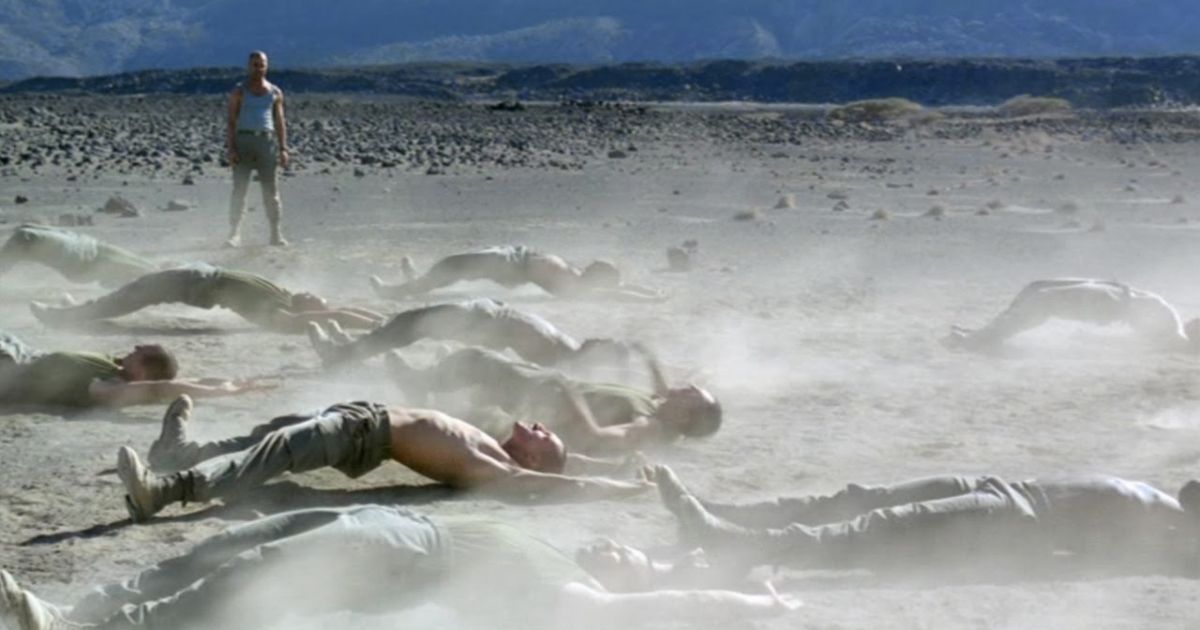
Based to an extent on Herman Melville’s 1888 novella Billy Budd, this quintessential French film was directed by Claire Denis — perhaps the most influential French filmmaker of modern times. And without a doubt, Beau Travail (1999) is her seminal piece of poetry in motion, as is commonly agreed upon by fans and pundits alike.
Its story of soldiers in the French Foreign Legion is rather tame on paper, but beneath its exhilarating surface is a film of great thematic significance. Beau Travail is consistently called one of the greatest films from its decade, and even throughout cinematic history. To call this a must-watch would be putting it lightly.
10 Three Colors: Blue (1994)
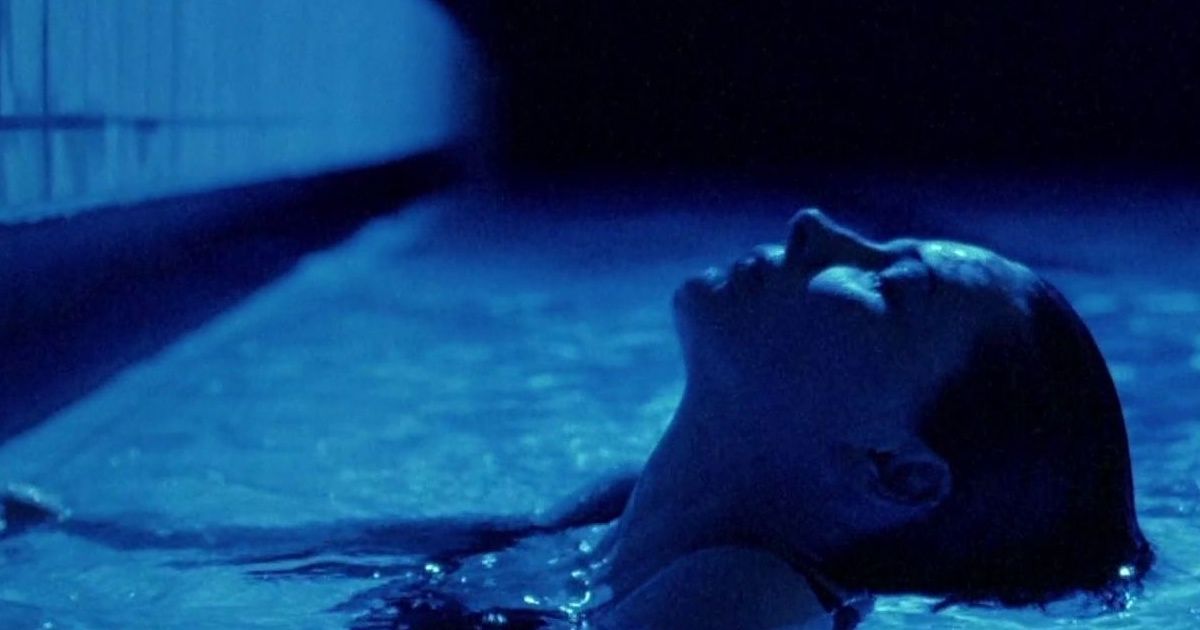
Chronicling the tale of a woman whose husband and daughter were killed in a car crash, Three Colors: Blue (1994) also stars Juliette Binoche in the leading role. And this is one of her finest works without a doubt, as she portrays the aforementioned widow of a famous French composer and seeks isolation in an attempt to leave those troubles deep within the past.
This is the first of the Three Colors trilogy by famous Polish filmmaker Krzysztof Kielowski, succeeding both Three Colors: White (1994) and Three Colors: Red (1994). The projects are respectfully themed on liberty, equality, and fraternity — the ideals of the French Revolution. And as is the case with many famous film trilogies: the first entry is without a doubt the best.
9 Le Fabuleux Destin d’Amélie Poulain (2001)

As the most recent entry on the list, Amelie (2001) could also be the most recognizable to the more modern film fans out there. It chronicles the growth of a shy waitress from Montmartre in Paris as she battles her own demons while also shaping the lives of those that she calls close to fit a narrative of her own. It’s a unique and discreet premise both in concept and execution, and it results in a must-see romantic comedy with an ensemble cast.
It’s one of the few films on the list that was mae in color, and in this case was highly praised for its eccentric use thereof. The palettes of Amelie without a doubt go down as important, and along with a well-written script in tandem with brilliant performances, helps land this project at number nine.
8 Elevator to the Gallows (1958)
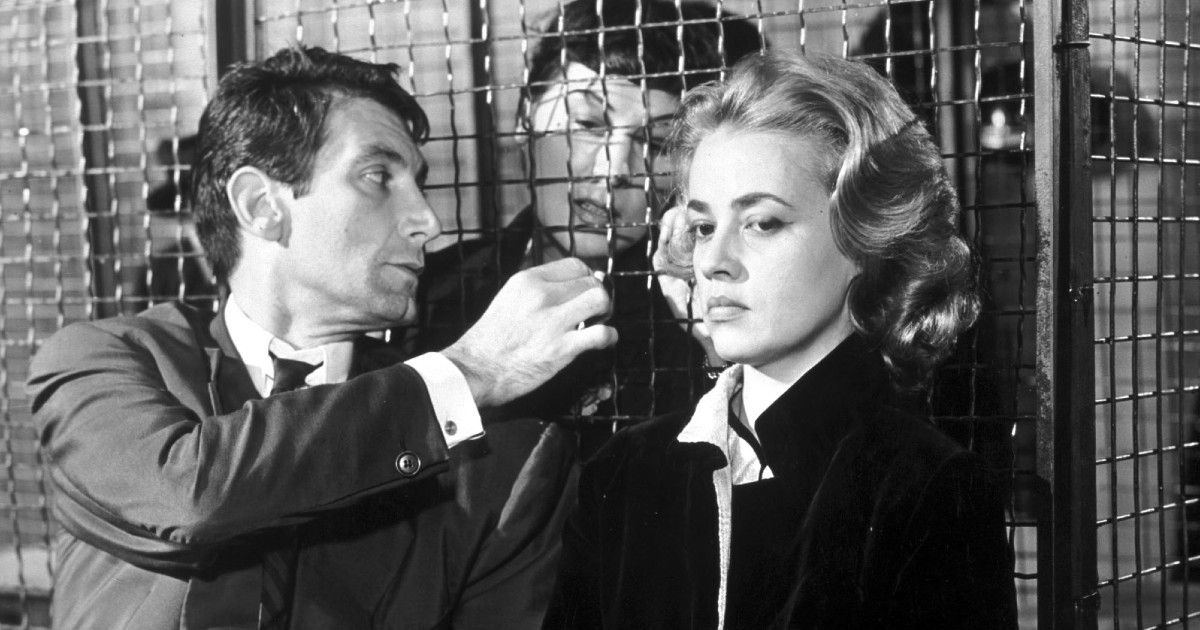
Although the general film fan may not recognize most of the names attached to this project — such as director Louis Malle or performers Jeanne Moreau and Maurice Ronet — they should know the man who provided the film with its perfectly atmospheric score: American trumpeter Miles Davis. His original music for Elevator to the Gallows (1958) was considered by pundits as revolutionary to the extent that it elicits emotions of sadness and despair unlike few scores that came before.
But the film itself also features a rock-solid narrative from start to finish. It chronicles the murder plot of two illicit lovers — Florence Carala and Julien Tavernier — as their plans to kill the former’s wealthy husband unravels when the latter gets trapped in an elevator. It’s a fairly off-the-wall premise that came to fruition thanks to brilliant direction and a keen eye for screenwriting.
7 Cléo From 5 to 7 (1962)
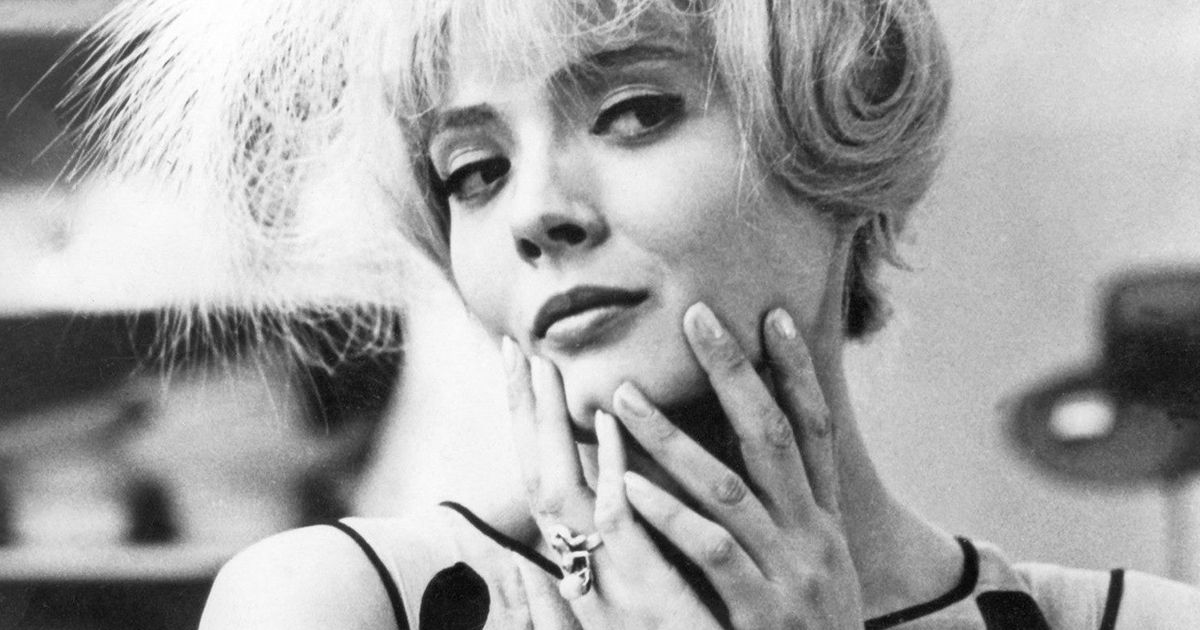
For those unfamiliar with the French New Wave, you should be an expert by the time this list is done, as many of the most influential projects from the region at hand came during that period in time. And regarding Cléo From 5 to 7 (1962) — it was directed by Agnes Varda, one of the most prominent and talented figures of the aforementioned film movement.
Films from France’s New Wave have been inspiring thousands of filmmakers across the world for the past six decades thanks to a variety of influential behind-the-scenes elements like screenwriting and cinematography. Both of those were on masterful display here with Varda’s seminal project, and it undoubtedly goes down as one of the region’s most important.
6 Hiroshima Mon Amour (1959)
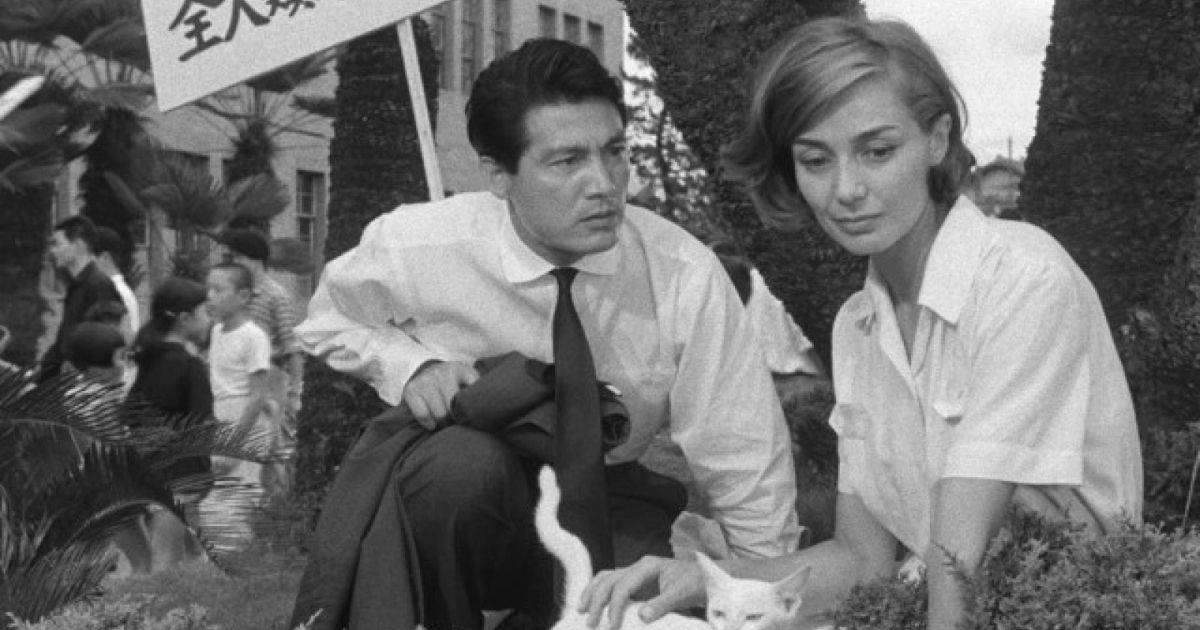
Despite being a prominent member of the French New Wave — a film movement that commonly featured directors as the “auteurs” or “authors” of their own screenplays — Alain Resnais didn’t actually pen the script for the film at hand. Instead, French author Marguerite Duras did the writing of this plot, which follows an unnamed French actress and a Japanese architect as they share deep and personal conversations over the span of twenty-four hours.
And just like most French projects from this specific period in time, Hiroshima, My Love (1959) remains highly influential for its groundbreaking techniques of general filmmaking. For example: the movie utilizes flashbacks to implement a nonlinear narrative into a relatively straightforward plot, as many filmmakers like Christopher Nolan and Quentin Tarantino still do on a regular basis. And with Hiroshima, My Love, each innovative technique came together well enough to create the sixth entry on this list.
5 Bande à part (1964)
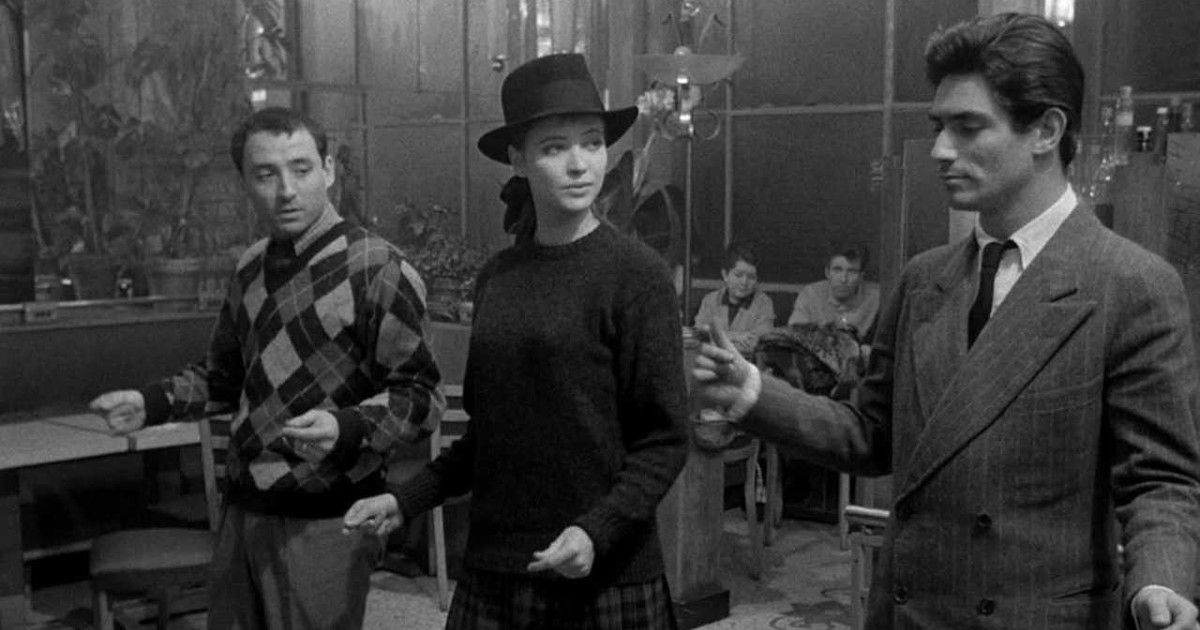
As perhaps the single most renowned member of the French New Wave film movement, Jean-Luc Godard has built a legendary oeuvre that could probably compose this list by itself. And with regard to Bande à part (1964) — more commonly called Band of Outsiders in the States — it influenced future filmmakers across the world, such as Quentin Tarantino. His famous dance scene from the Jack Rabbit Slims restaurant in Pulp Fiction (1994) drew heavy inspiration from a respective sequence from the film at hand.
And that’s only scratching the surface of influence commanded by Bande à part. It’s a heist film of sorts that follows three friends (who also find themselves within a love triangle) attempting to rob a stash of money where one of them resides, in a Parisian villa. And its legacy is forever set in stone thanks to Godard’s aptitude for filmmaking.
4 La règle du jeu (1939)
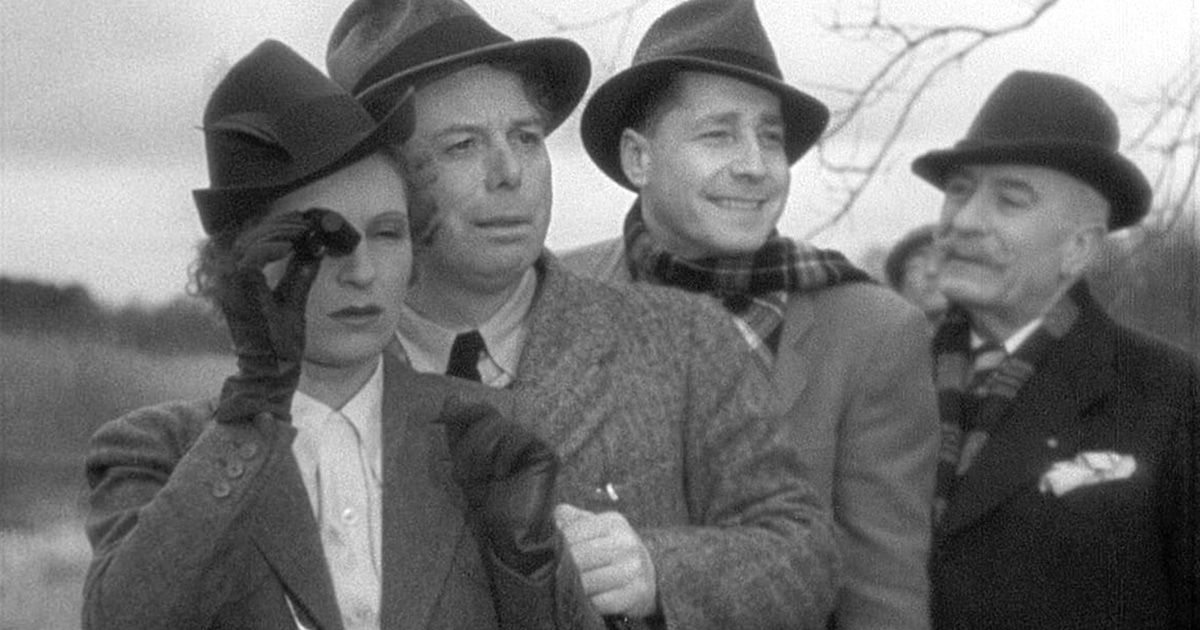
While the titles from France’s New Wave movement inspired creatives around the world even decades down the line, the filmmakers therein were of course influenced by earlier efforts from their region. And perhaps none were as impactful on their work as The Rules of the Gamed (1939) by famous French director Jean Renoir.
It follows several members of upper-class bourgeoise life in France along with their respective, poor servants as they parlay at a French château just before the start of World War II. And the project left many critics, other pundits, and even fans homing in on the film’s expert camerawork — specifically the director’s keen eye for mise en scene. Various facets of filmmaking go down as innovative herein. In the end, though, The Rules of the Game lands this high thanks not only to the legacy it’s acquired in recent years, but also the influence it had on the members of France’s New Wave.
3 La Haine (1995)
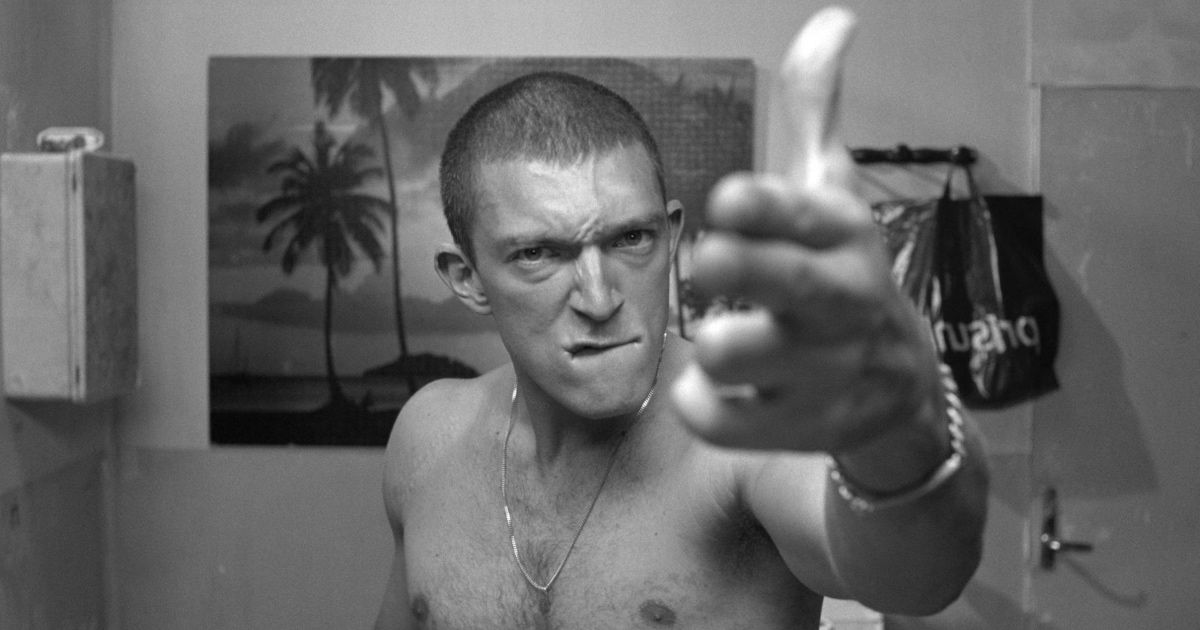
From its stylistic opening scene to the finesse of the film’s final frame, La Haine (1995) goes down as an absolute masterclass of filmmaking. If this list were ranking the best French films of all time, it might rank even higher thanks to a witty script with whiplash-inducing dialogue, a theme with tangible resonance, and performances that produce intriguing dynamics around every crime infested alley of the film’s engrossing plot.
But La Haine also features some of the most mesmerizing movements from a camera that you’re ever likely to witness. The blocking, too: each character is perfectly placed within each scene to facilitate the cinematography. Their motions are just subtle enough to be recognized while not taking away from the focus of the respective shot. And just from a technical standpoint, all of this analysis is simply scratching the surface of the crime film at hand by director Mathieu Kassovitz — who also wrote and co-edited the project. Once you start searching for what lies beneath, a whole new world of complexity can be found underground.
2 Les Quatre Cents Coups (1959)
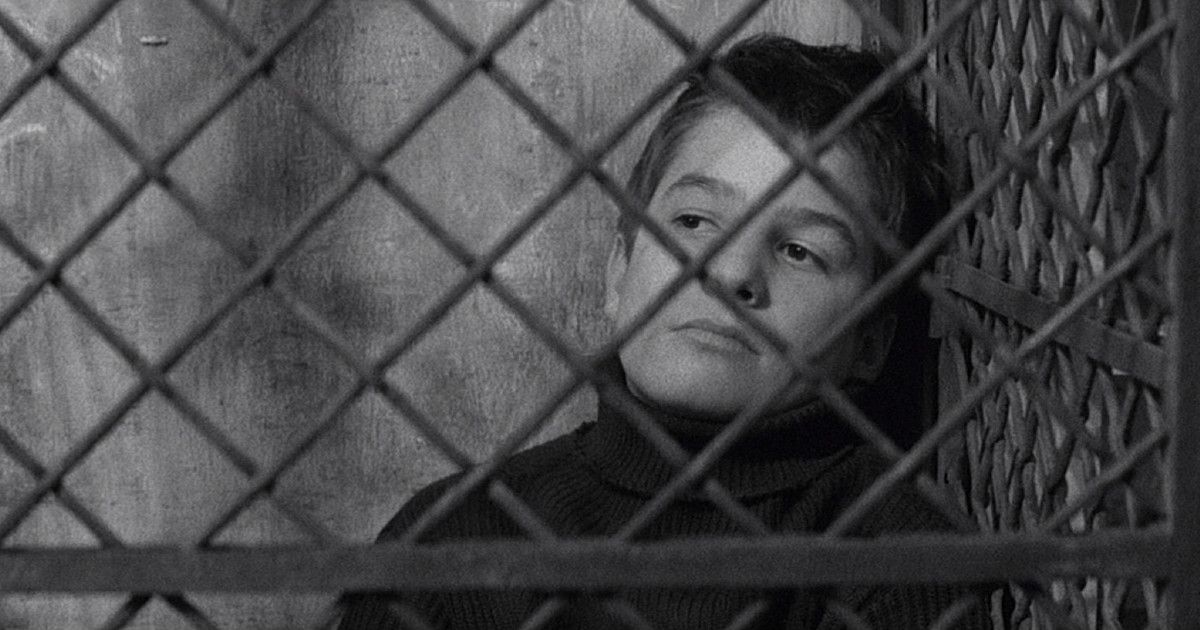
Directed by François Truffaut — who essentially founded the French New Wave thanks to his 1954 essay Une certaine tendance du cinéma français — the film at hand has gone down as one of the most definitive of the aforementioned movement. Les Quatre Cents Coups (1959) translates to The 400 Blows in English, and its plot follows a rebellious teenager in Paris whose insubordinate nature finds him at odds with the adult figures in his life. A coming-of-age drama, to be precise.
And it’s widely considered to be not just one of the greatest French films of all time but among the best movies ever made, and undoubtedly one of the most influential projects to come from the region at hand. It utilized many facets of filmmaking that became associated with the French New Wave in general, and undoubtedly helped popularize the movement around the world. It’s essential viewing for fans of French cinema.
1 À bout de souffle (1960)
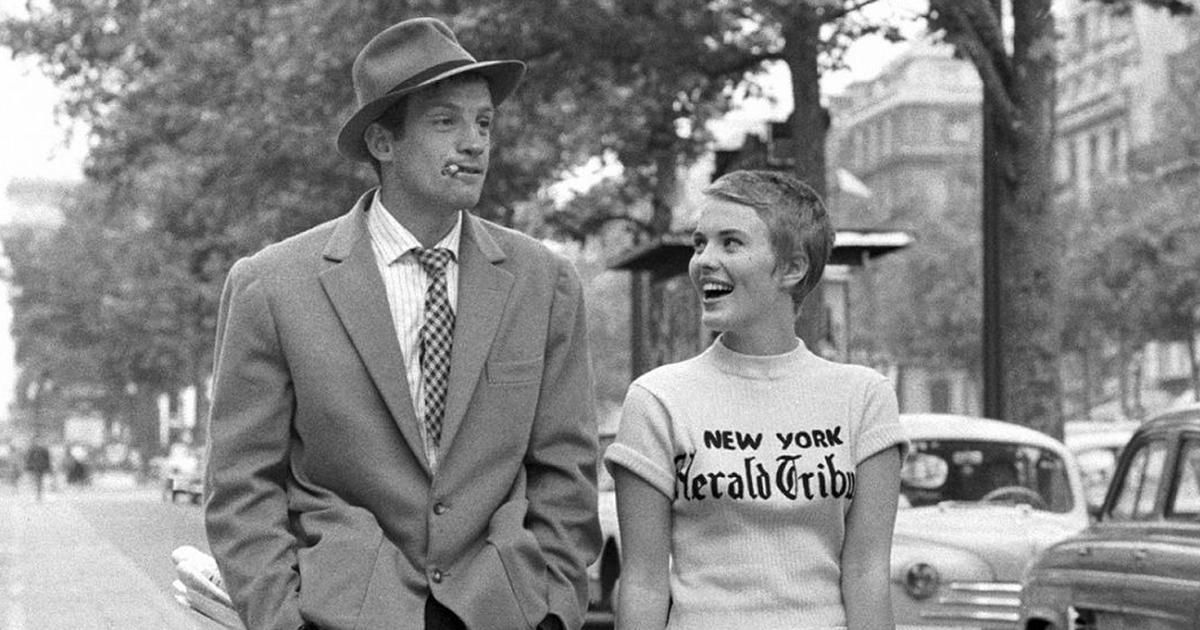
Considering that Jean-Luc Godard is officially the only filmmaker to appear twice on this list, let alone the fact that he ultimately took the number one spot, there’s an easy argument to be made that he’s the single most important filmmaker to ever be born in France. And without a doubt his most seminal and influential work would have to be À bout de souffle (1960), the very project that both started his career and put him on the international map.
It translates to Breathless in English, and follows a Parisian criminal named Michel as he goes on the lam from police and finds a love interest in an American student aspiring to be a journalist. The final product featured many unconventional techniques — jump cuts, for example, with regard to continuity editing — and has been cited as a personal favorite of many famous filmmakers like Akira Kurosawa. And, again: this was Godard’s directorial debut.