Internet data centers are fueling drive to old power source: Coal
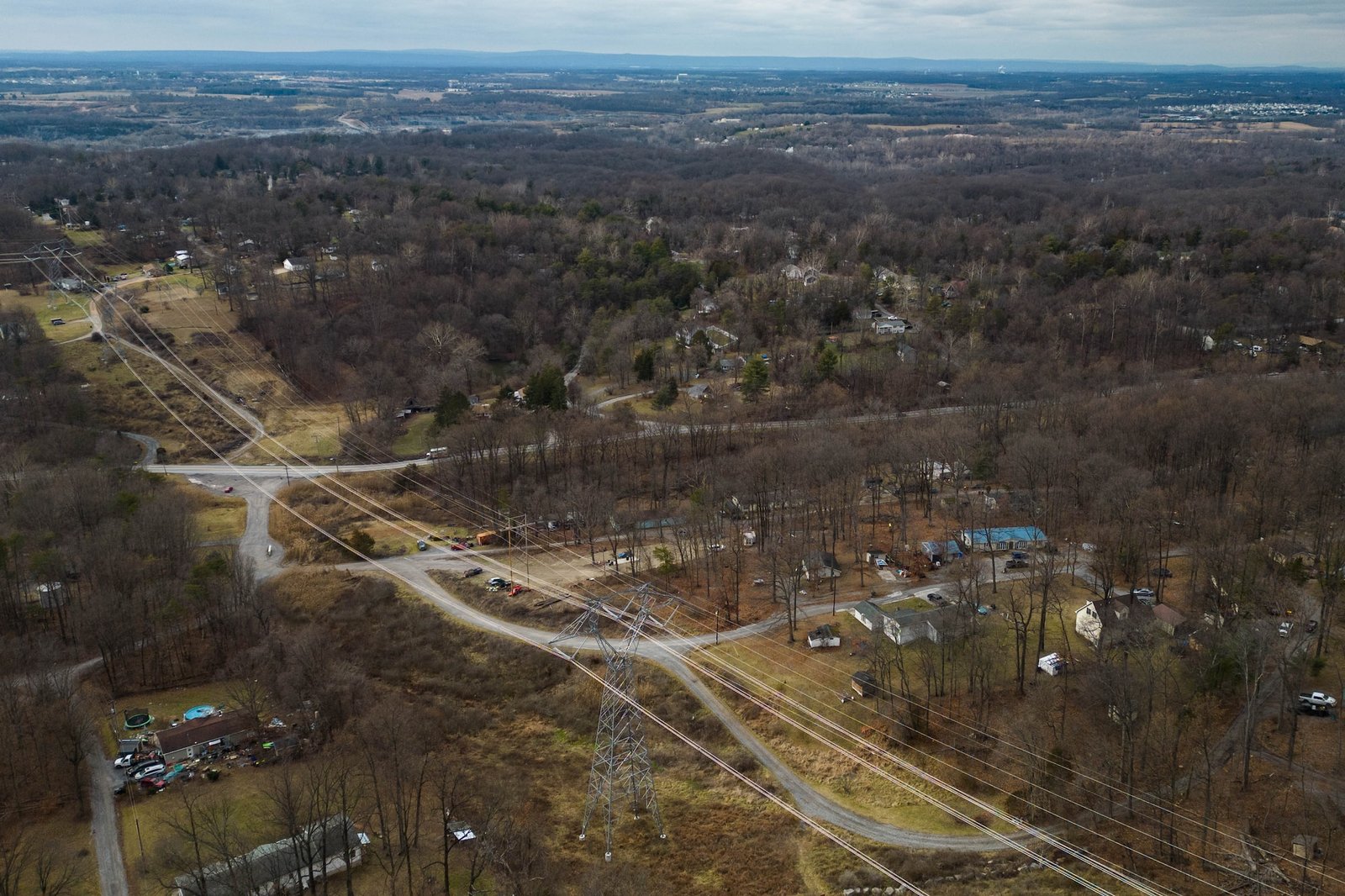
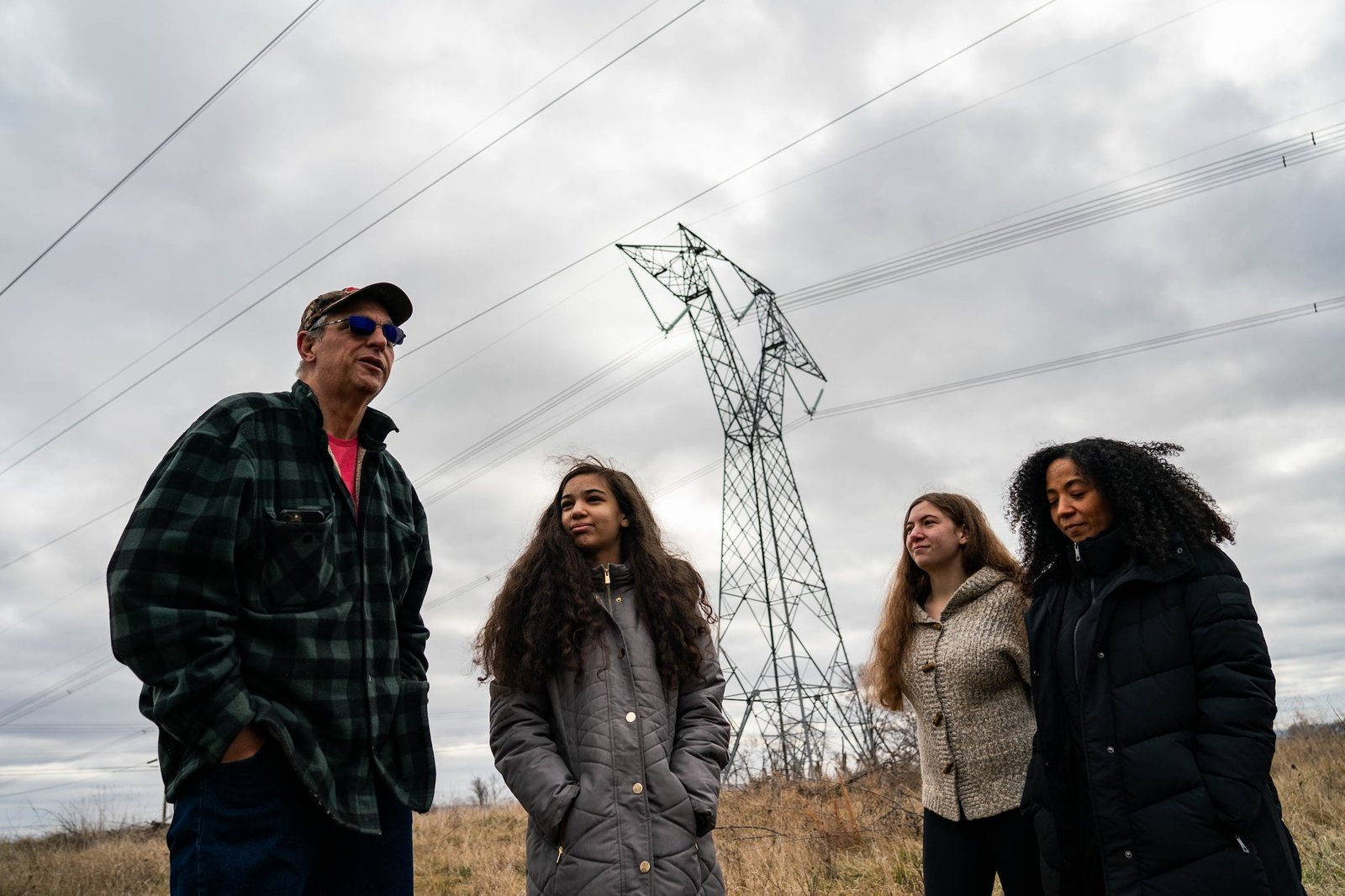
CHARLES TOWN, W.Va. A helicopter hovers over the Gee family farm, the noisy rattle echoing inside their home in this rural part of West Virginia. Its holding surveyors who are eyeing space for yet another power line next to the property a line that will take electricity generated from coal plants in the state to address a drain on power driven by the worlds internet hub in Northern Virginia 35 miles away.
There, massive data centers with computers processing nearly 70 percent of global digital traffic are gobbling up electricity at a rate officials overseeing the power grid say is unsustainable unless two things happen: Several hundred miles of new transmission lines must be built, slicing through neighborhoods and farms in Virginia and three neighboring states. And antiquated coal-powered electricity plants that had been scheduled to go offline will need to keep running to fuel the increasing need for more power, undermining clean energy goals.
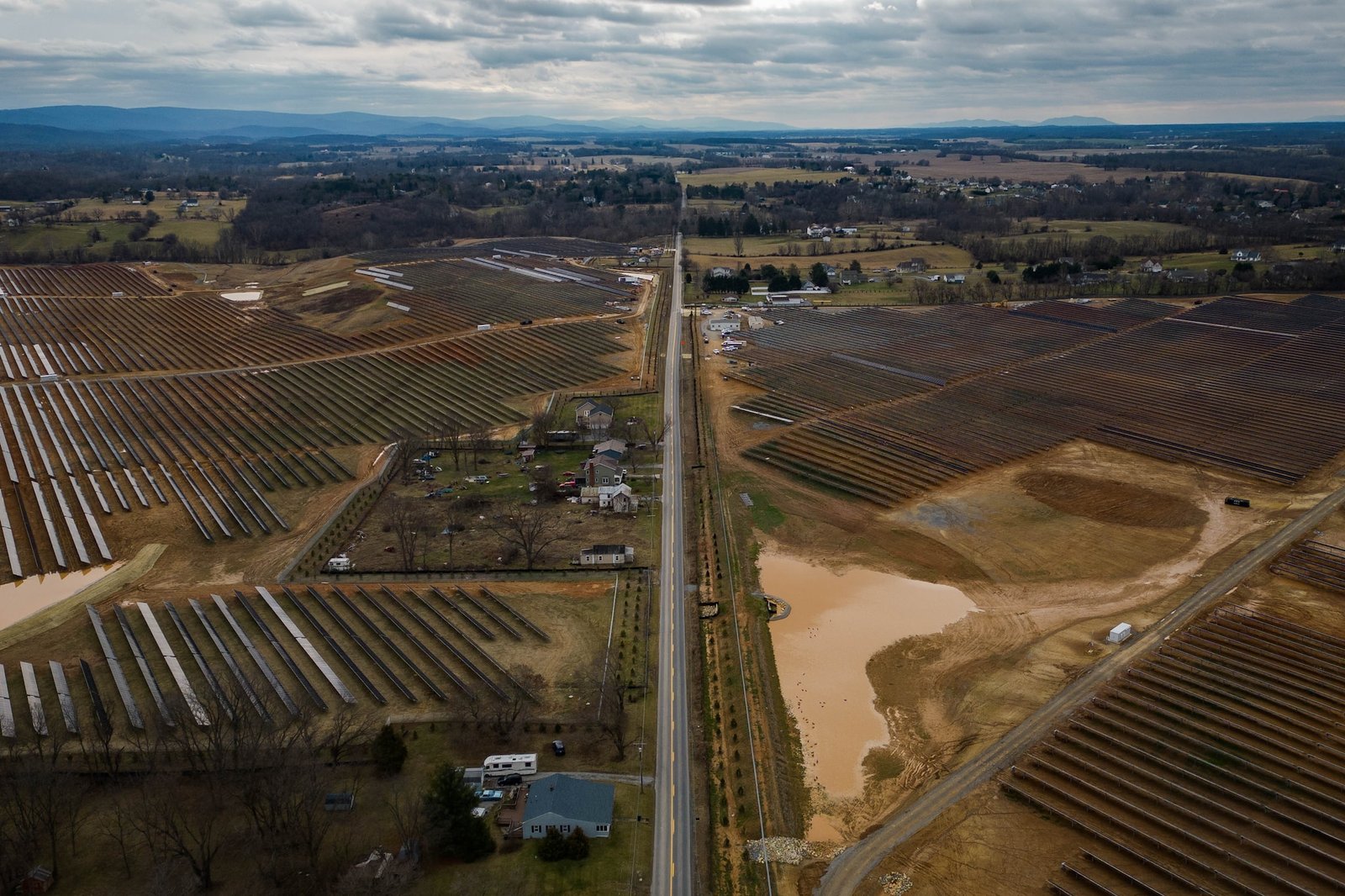
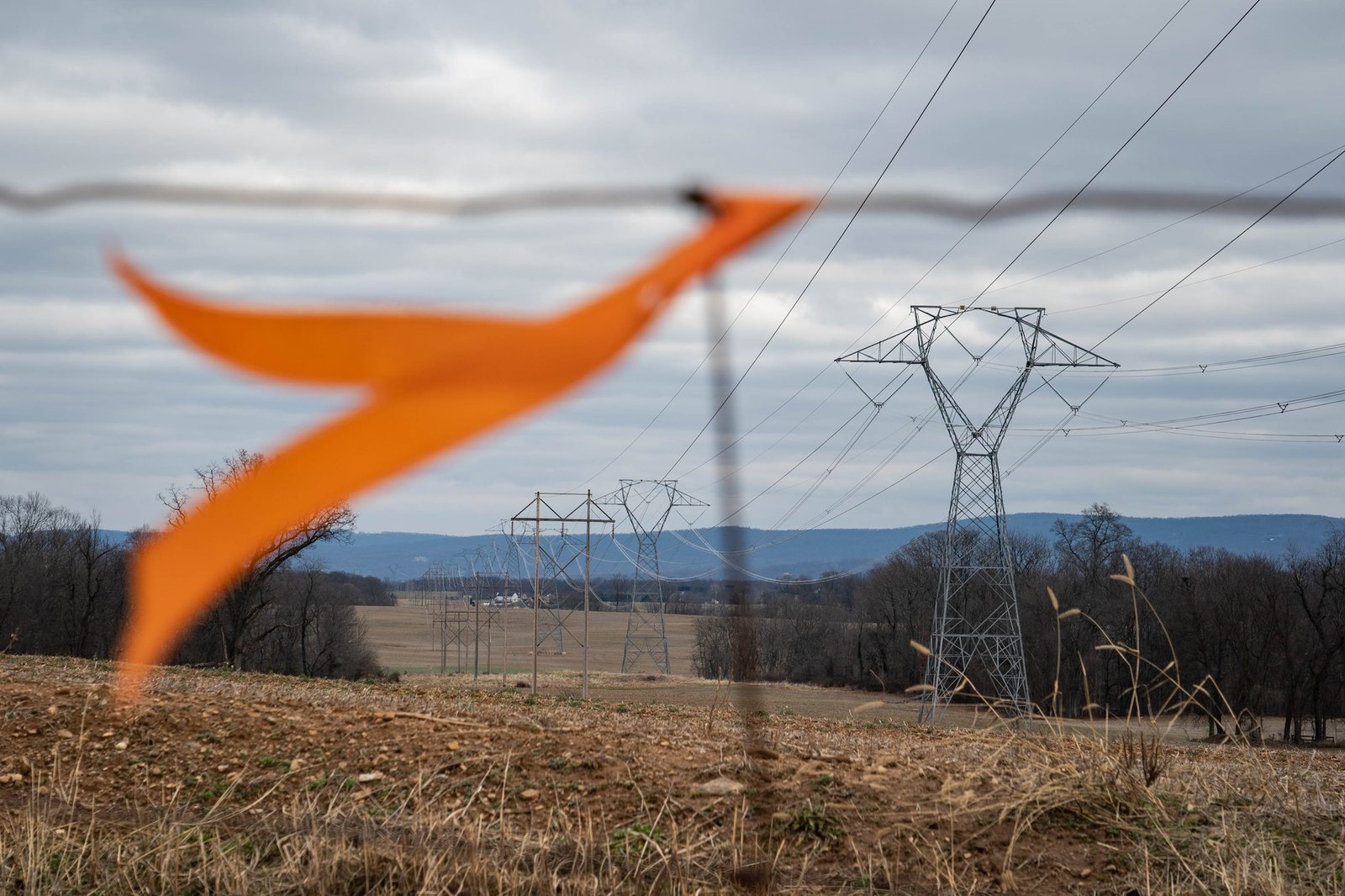
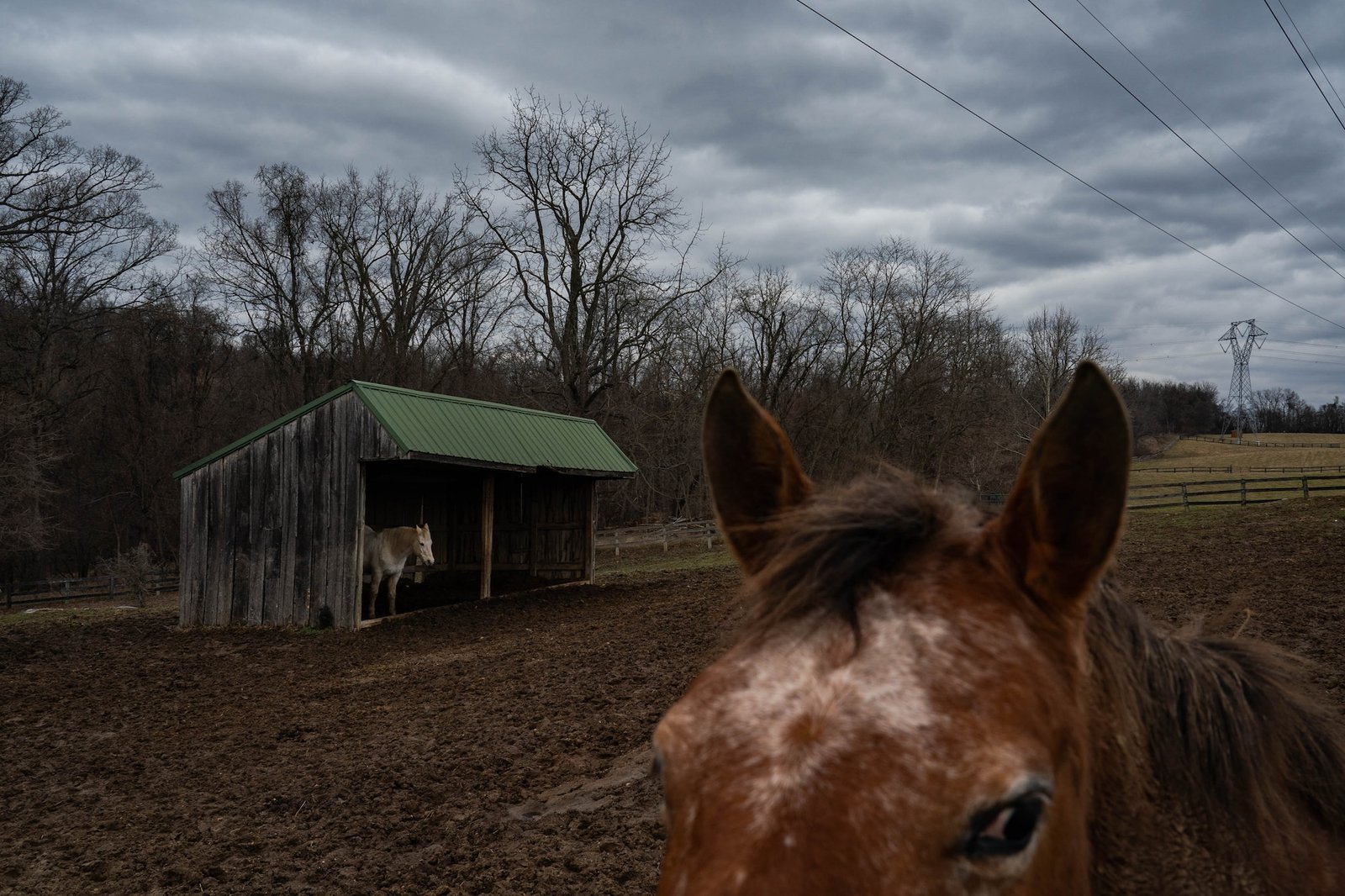
The $5.2 billion effort has fueled a backlash against data centers through the region, prompting officials in Virginia to begin studying the deeper impacts of an industry theyve long cultivated for the hundreds of millions of dollars in tax revenue it brings to their communities.
Critics say it will force residents near the coal plants to continue living with toxic pollution, ironically to help a state Virginia that has fully embraced clean energy. And utility ratepayers in the affected areas will be forced to pay for the plan in the form of higher bills, those critics say.
But PJM Interconnection, the regional grid operator, says the plan is necessary to maintain grid reliability amid a wave of fossil fuel plant closures in recent years, prompted by the nations transition to cleaner power.
legend


A map depicting the proposed transmission line expansion in West Virginia, Maryland, and Virginia
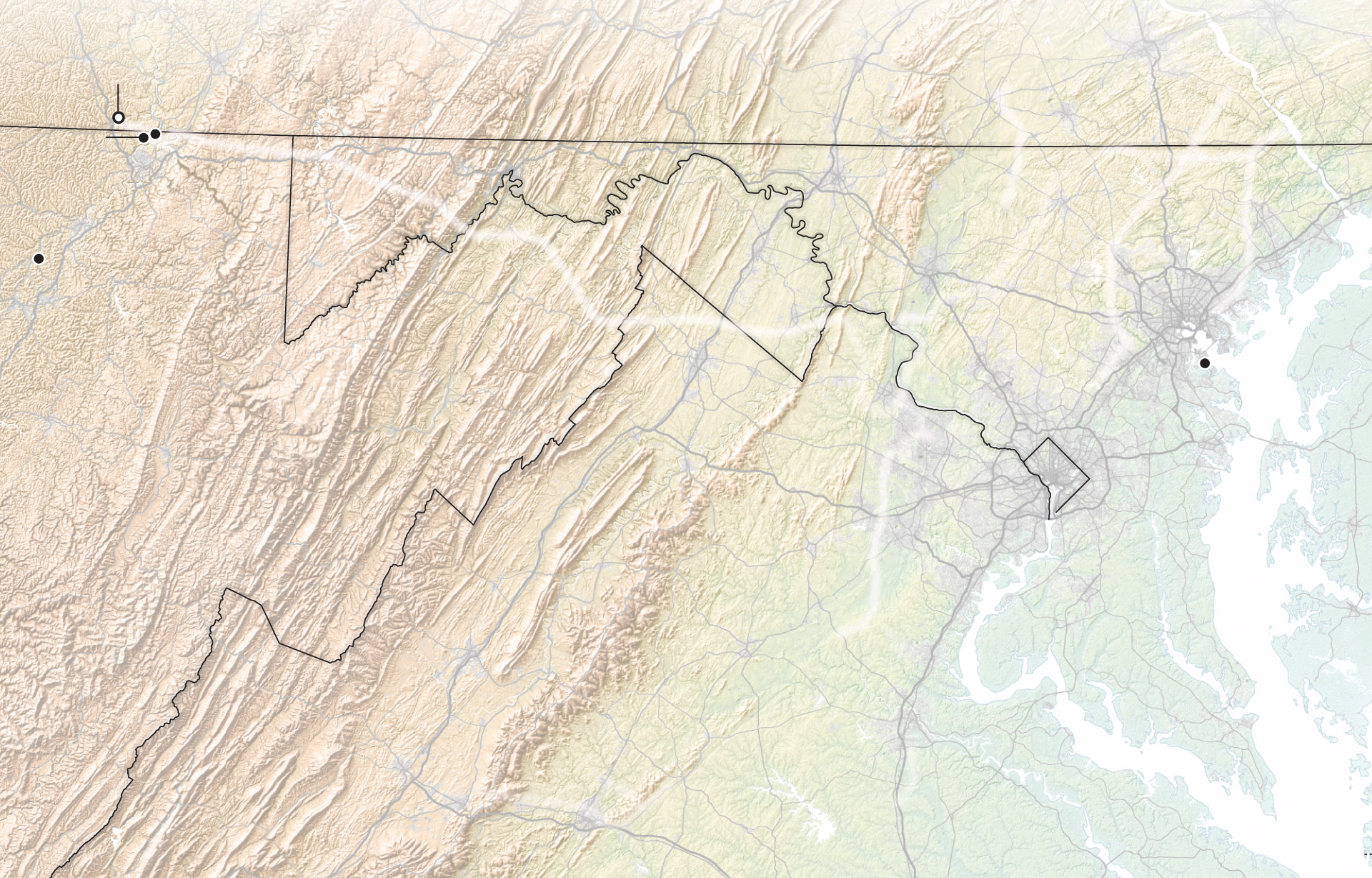


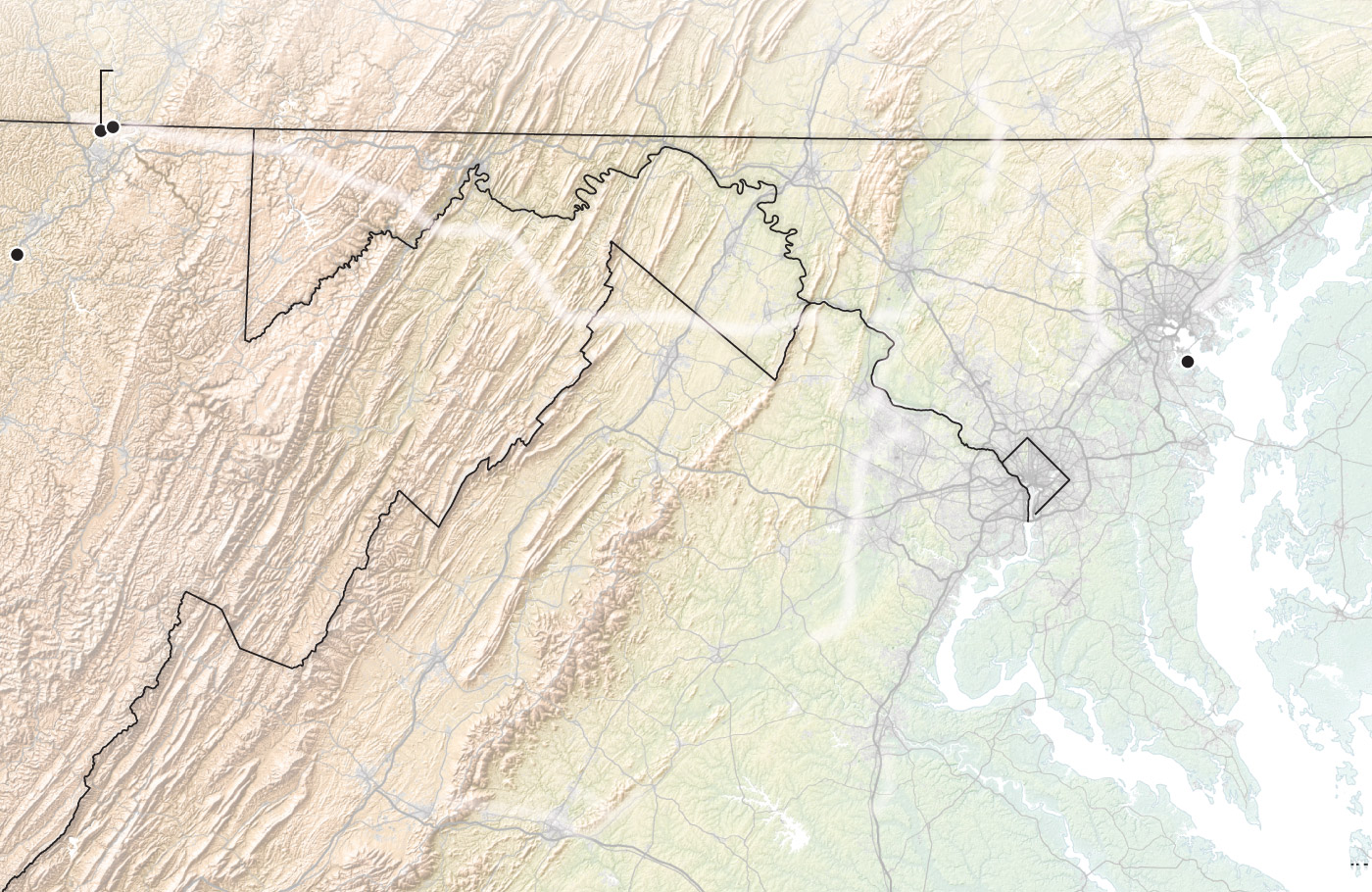


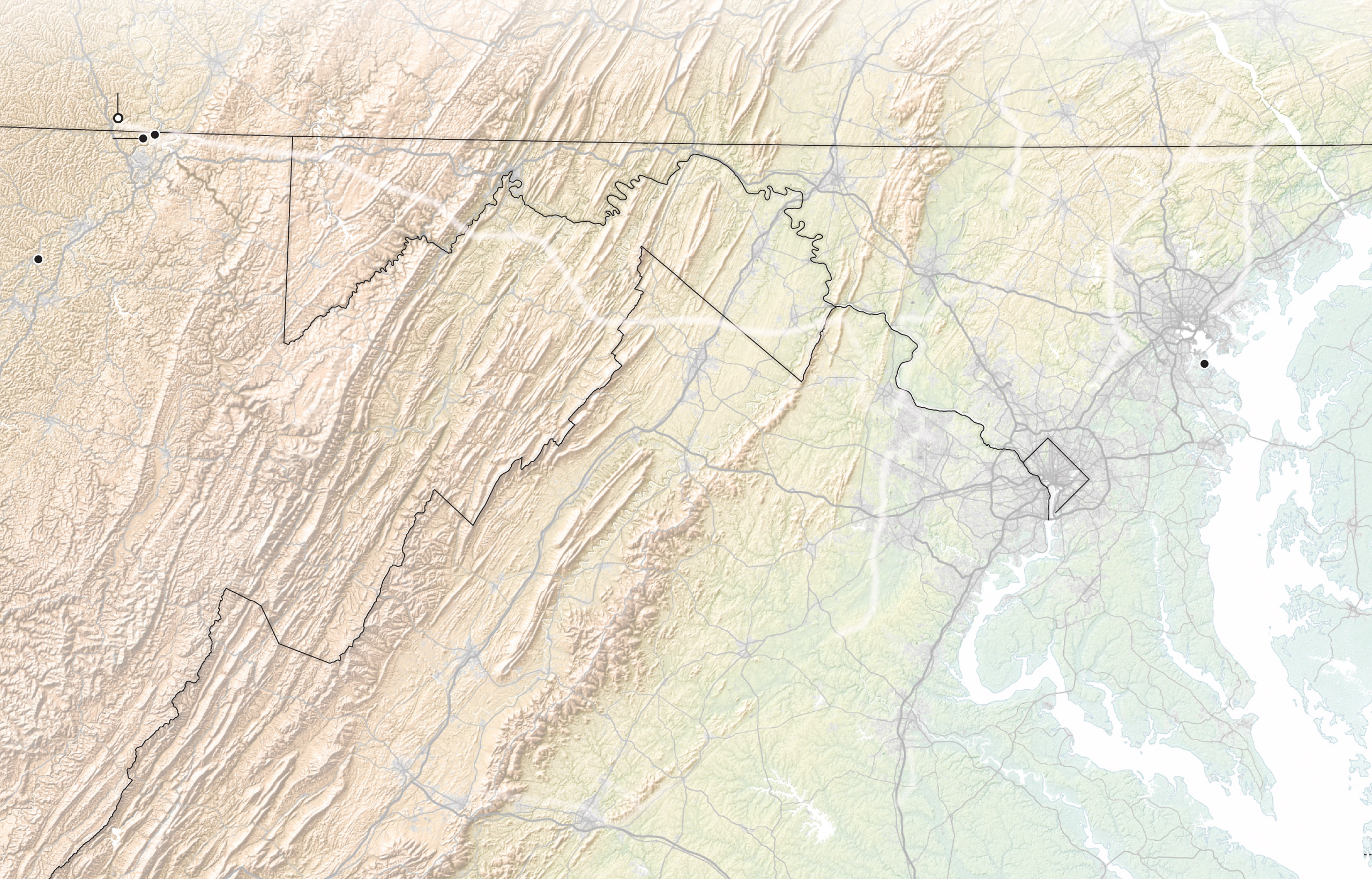


Power lines will be built across four states in a $5.2 billion effort that, relying on coal plants that were meant to be shuttered, is designed to keep the electric grid from failing amid spiking energy demands.
Focus on Loudoun/Waterford
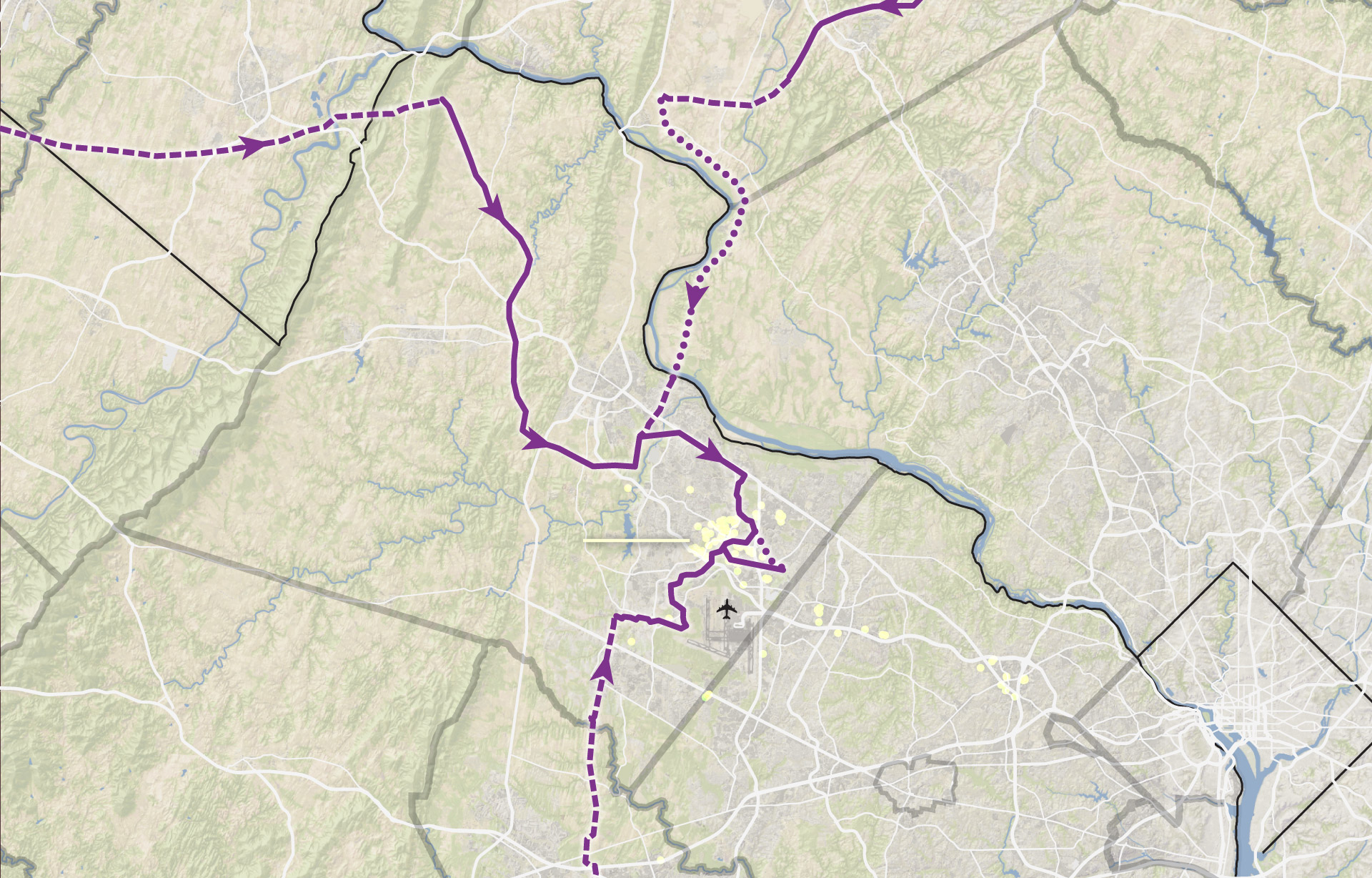


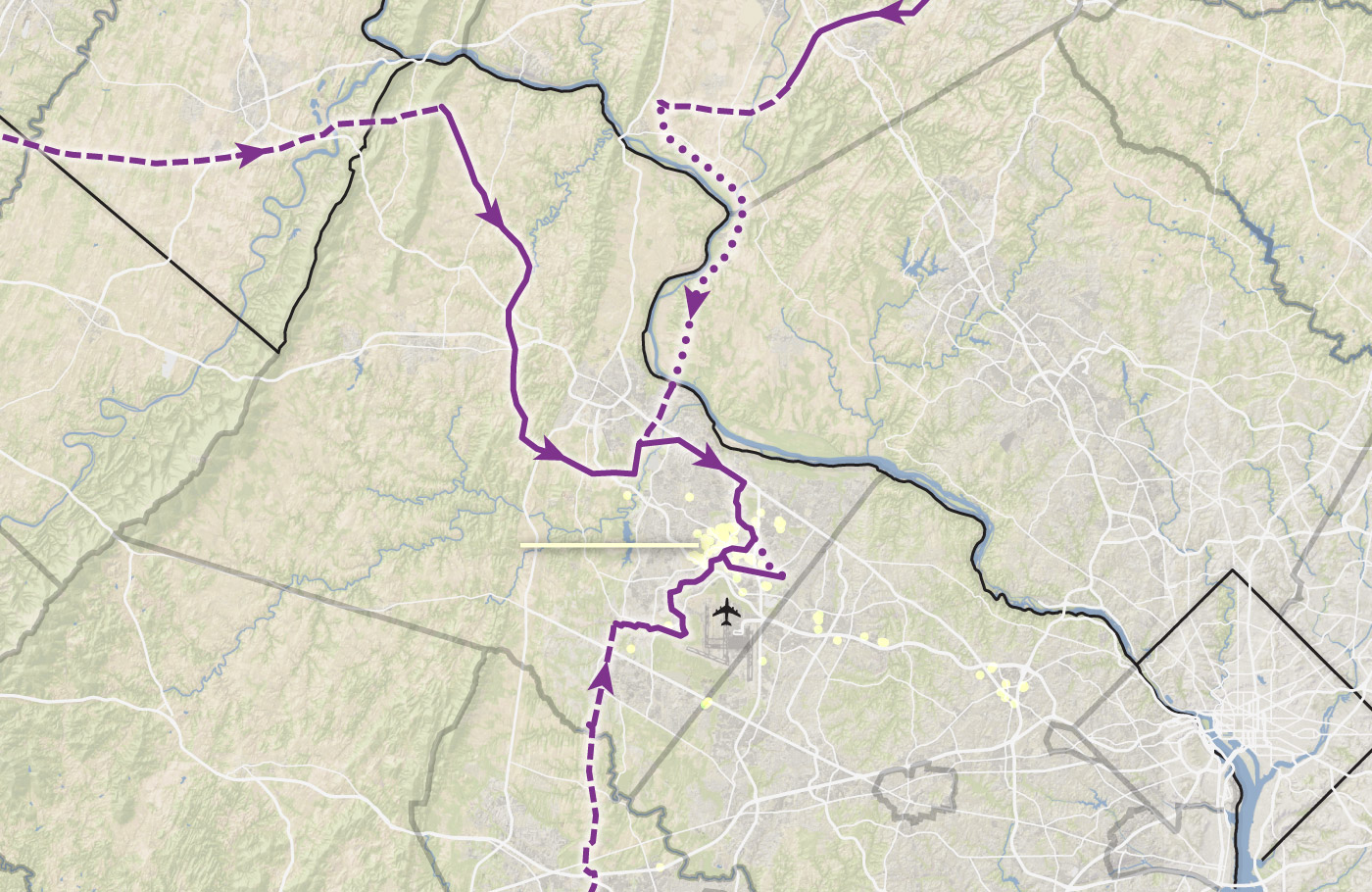


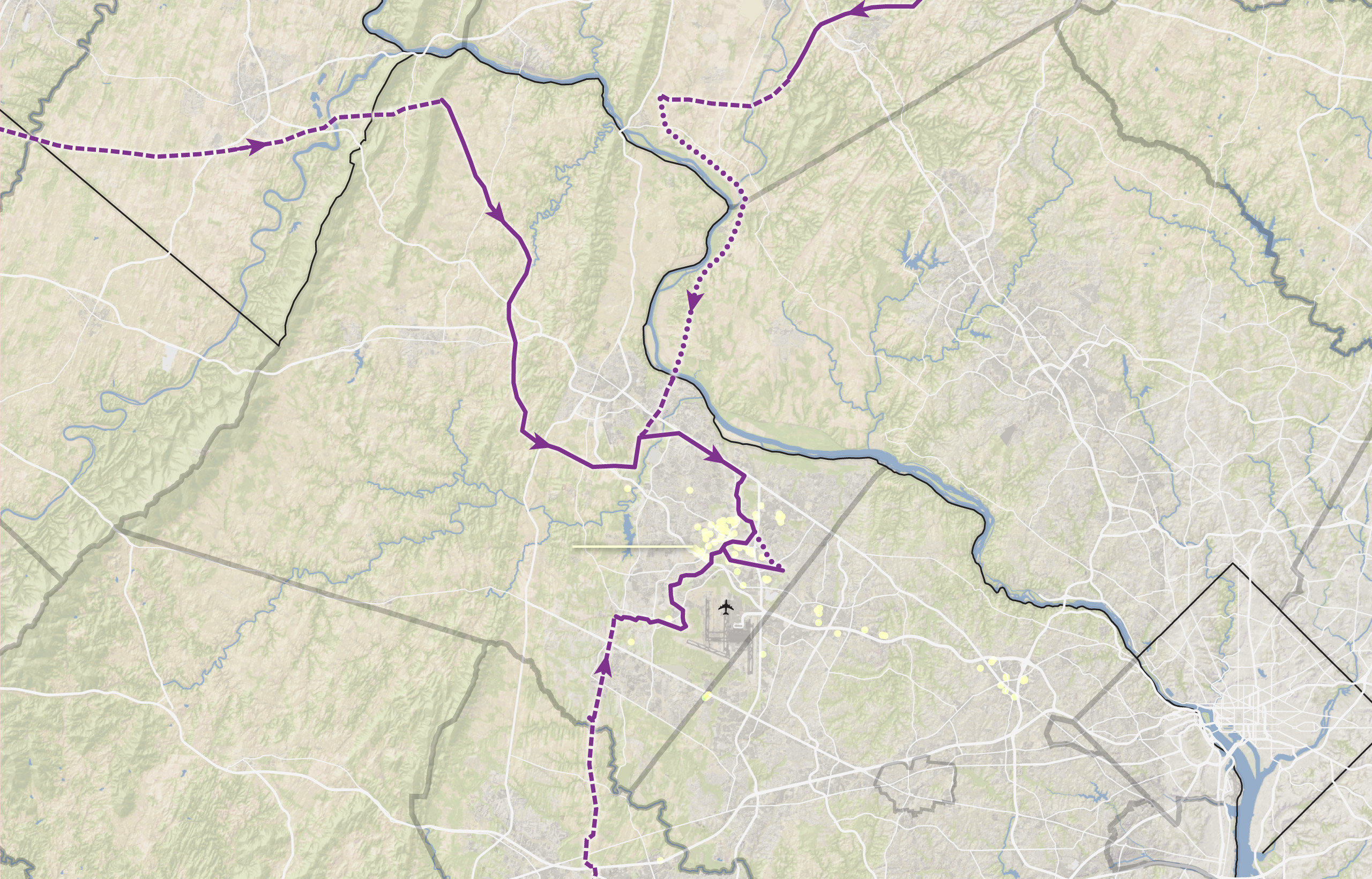


Cutting through farms and neighborhoods, the plan converges on Northern Virginia, where a growing data center industry will need enough extra energy to power 6 million homes by 2030.
With not enough of those green energy facilities connected to the grid yet, enough coal and natural gas energy to power 32 million homes is expected to be lost by 2030 at a time when the demand from the growing data center industry, electric vehicles and other new technology is on the rise, PJM says.
The system is in a major transition right now, and its going to continue to evolve, Ken Seiler, PJMs senior vice president in charge of planning, said in a December stakeholders meeting about the effort to buy time for green energy to catch up. And well look for opportunities to do everything we can to keep the lights on as it goes through this transition.
A need for power
With Amazon Web Services pursuing a $35 billion data center expansion in Virginia, rural portions of the state are the industrys newest target for development.
The growth means big revenue for the localities that host the football-field-size buildings. Loudoun collects $600 million in annual taxes on the computer equipment inside the buildings, making it easier to fund schools and other services. Prince William, the second-largest market, collects $100 million per year.
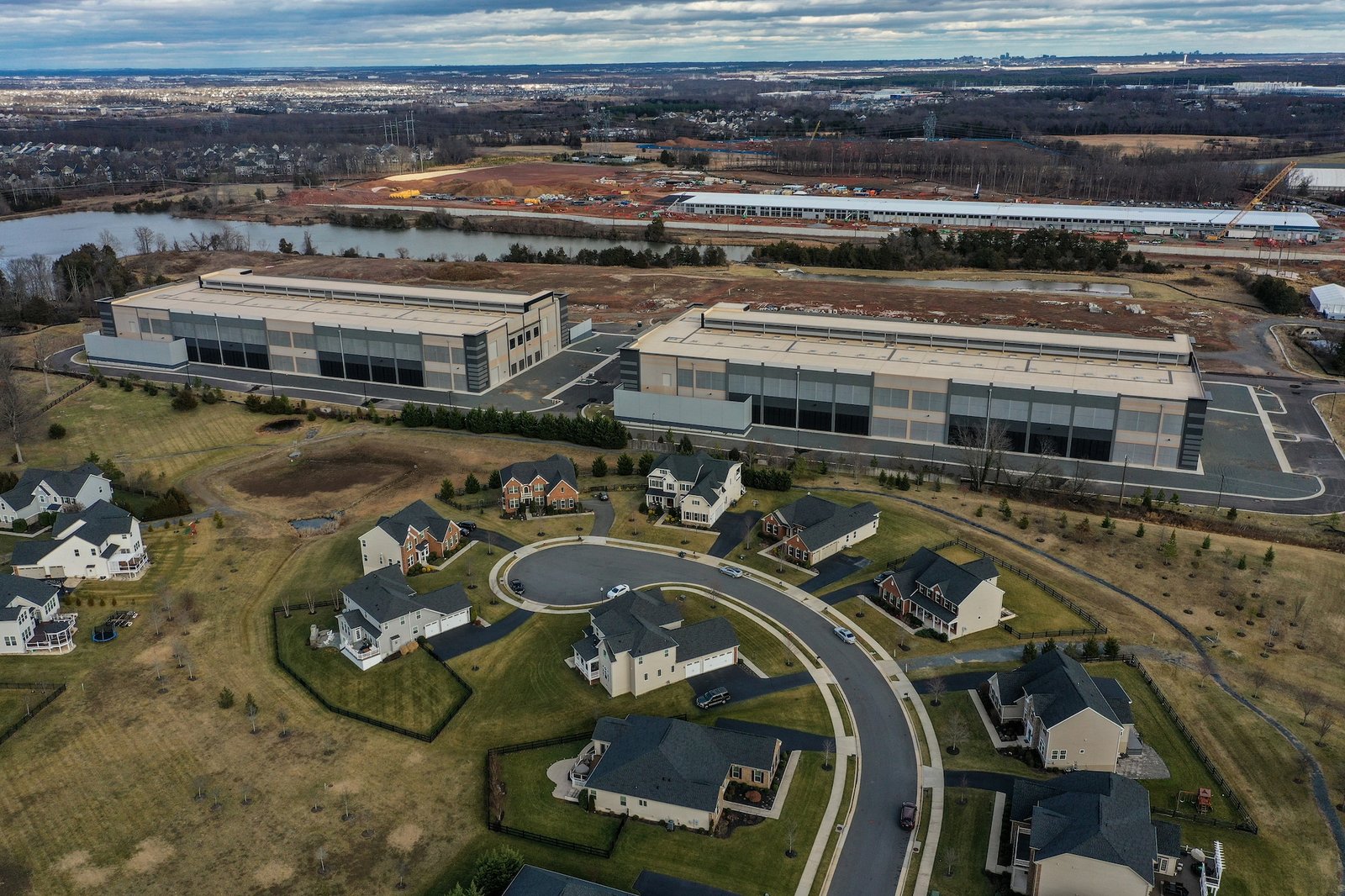
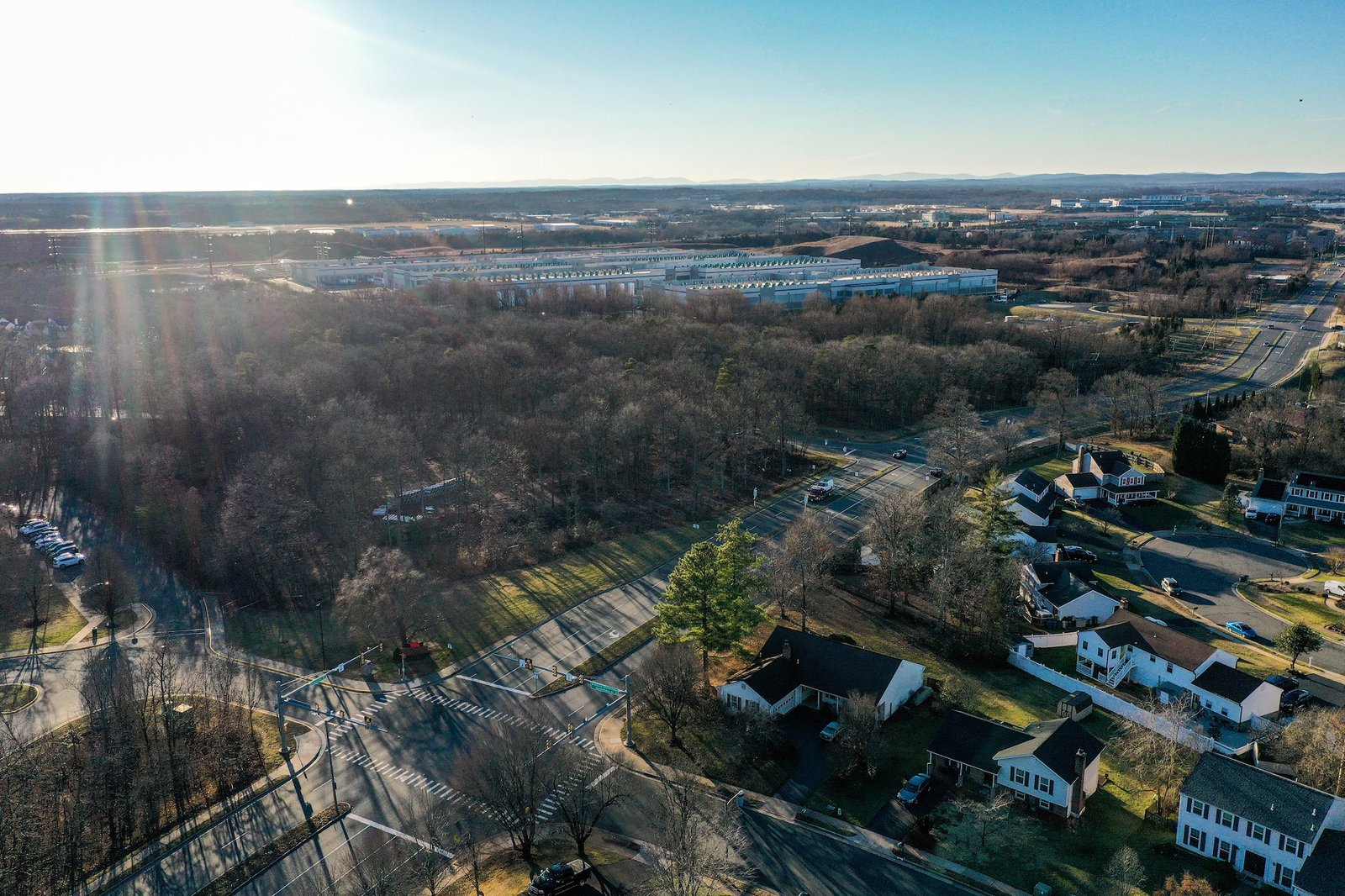
But data centers also consume massive amounts of energy.
up with the pace of the industrys growth. » class= »wpds-c-hcZlgz wpds-c-hcZlgz-bkfjoi-font-georgia wpds-c-hcZlgz-jDmrXh-width-mdCenter wpds-c-hcZlgz-ibdLmgo-css »>The demand has strained utility companies, to the point where Dominion Energy in Virginia briefly warned in 2022 that it may not be able to keep up with the pace of the industrys growth.
The utility which has since accelerated plans for new power lines and substations to boost its electrical output predicts that by 2035 the industry in Virginia will require 11,000 megawatts, nearly quadruple what it needed in 2022, or enough to power 8.8 million homes.
Meanwhile, the amount of energy available is not growing quickly enough to meet that future demand. Coal plants have scaled down production or shut down altogether as the market transitions to green energy, hastened by laws in Maryland and Virginia mandating net-zero greenhouse gas emissions by 2045 and, for several other states in the region, by 2050.
Dominion is developing a 2,600-megawatt wind farm off Virginia Beach the largest such project in U.S. waters and the company recently gained state approval to build four solar projects.
A PJM spokesperson said the organization has recently sped up its approval process and is encouraging utility companies and federal and state officials to better incorporate renewable energy.
About 40,000 megawatts of green energy projects have been cleared for construction but are not being built because of issues related to financing or siting, the PJM spokesperson said.
Once more renewable energy is available, some of the power lines being built to address the energy gap may no longer be needed as the coal plants ultimately shut down, clean energy advocates say though utility companies contend the extra capacity brought by the lines will always be useful.
Their planning is just about maintaining the status quo, Tom Rutigliano, a senior advocate for clean energy at the Natural Resources Defense Council, said about PJM. They do nothing proactive about really trying to get a handle on the future and get ready for it.
Holding on tight to coal
The smoke from two coal plants near West Virginias border with Pennsylvania billows over the city of Morgantown, adding a brownish tint to the air.
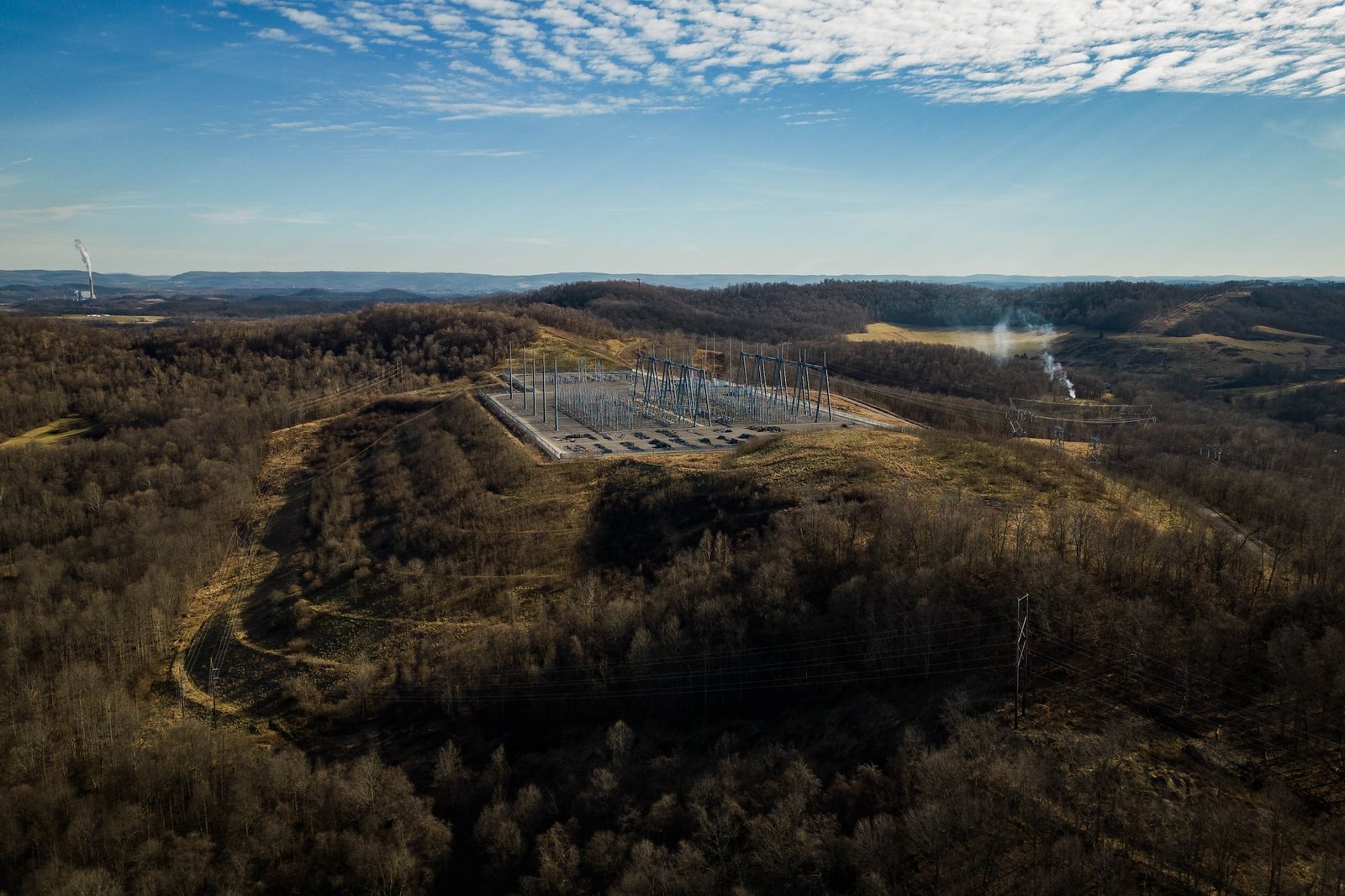

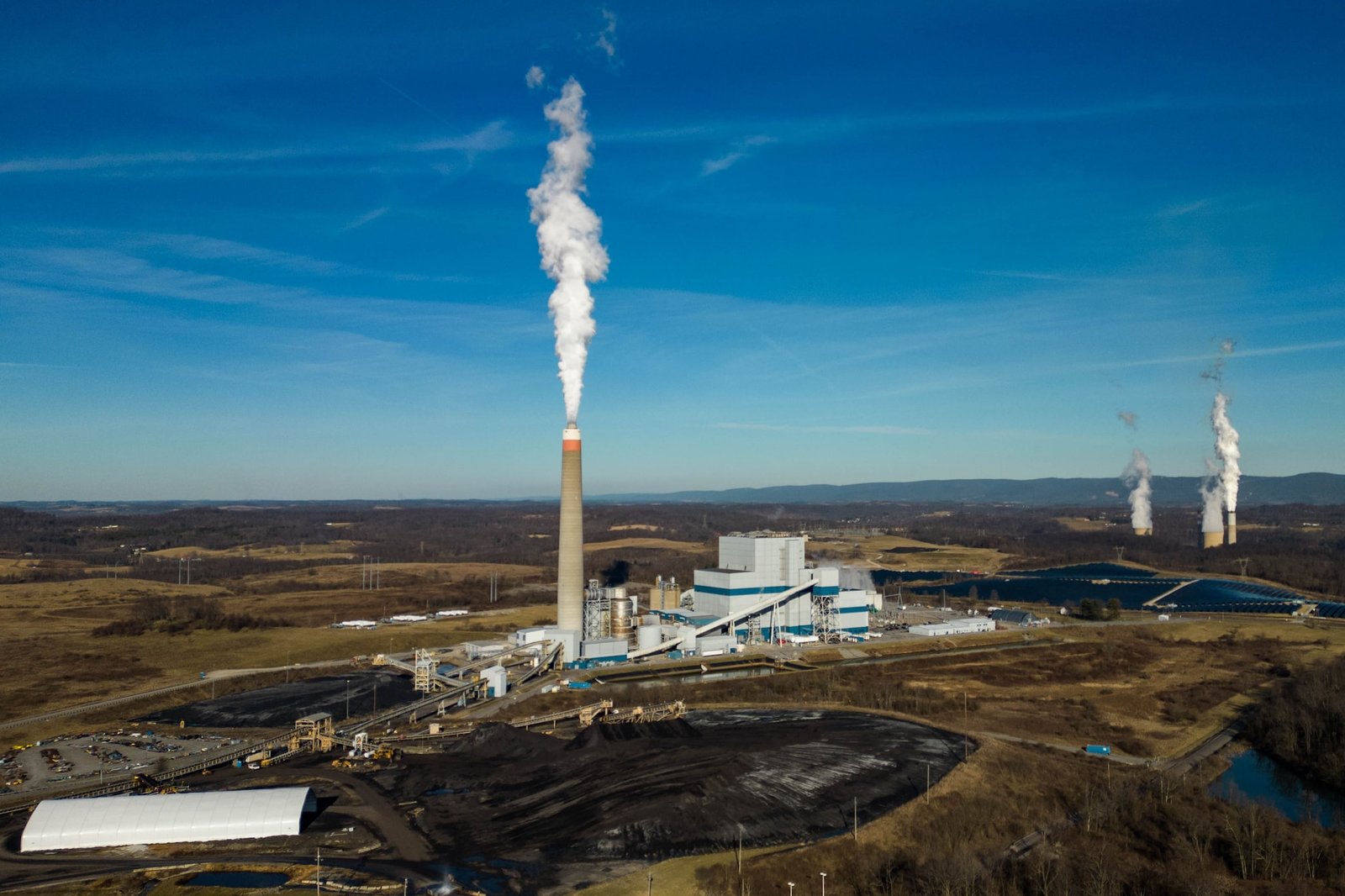
The owner of one of the Morgantown-area plants, Longview LLC, recently emerged from bankruptcy. After a restructuring, the facility is fully functioning, utilizing a solar farm to supplement its coal energy output.
The other two plants belong to the Ohio-based FirstEnergy Corp. utility, which had plans to significantly scale down operations there to meet a company goal of reducing its greenhouse gas emissions by nearly a third over the next six years.
The FirstEnergy plants are among the states worst polluters, said Jim Kotcon, a West Virginia University plant pathology professor who oversees conservation efforts at the Sierra Clubs West Virginia chapter.
The Harrison plant pumped out a combined 12 million tons of coal pollutants like sulfur and nitrous oxides in 2023, more than any other fossil fuel plant in the state, according to Environmental Protection Agency data. The Fort Martin plant, which has been operating since the late 1960s, emitted the states highest levels of nitrous oxides in 2023, at 5,240 tons.
After PJM tapped the company to build a 36-mile-long portion of the planned power lines for $392 million, FirstEnergy announced in February that the company is abandoning a 2030 goal to significantly cut greenhouse gas emissions because the two plants are crucial to maintaining grid reliability.
The news has sent FirstEnergys stock price up by 4 percent, to about $37 a share this week, and was greeted with jubilation by West Virginias coal industry.
We welcome this, without question, because it will increase the life of these plants and hundreds of thousands of mining jobs, said Chris Hamilton, president of the West Virginia Coal Association. Were holding on tight to our coal plants.
Since 2008, annual coal production in West Virginia has dipped by nearly half, to about 82 million tons, though the industry which contributes about $5.5 billion to the states economy has rebounded some due to an export market to Europe and Asia, Hamilton said.
Hamilton said his association will lobby hard for FirstEnergys portion of the PJM plan to gain state approval. The company said it will submit its application for its power line routes in mid-2025.
More than 200 miles to the east in Maryland, environmental groups and ratepayer advocates are fighting an effort by PJM to extend the life of two more coal plants Brandon Shores and Herbert A. Wagner just outside of Baltimore, which were slated to close by June 2025.
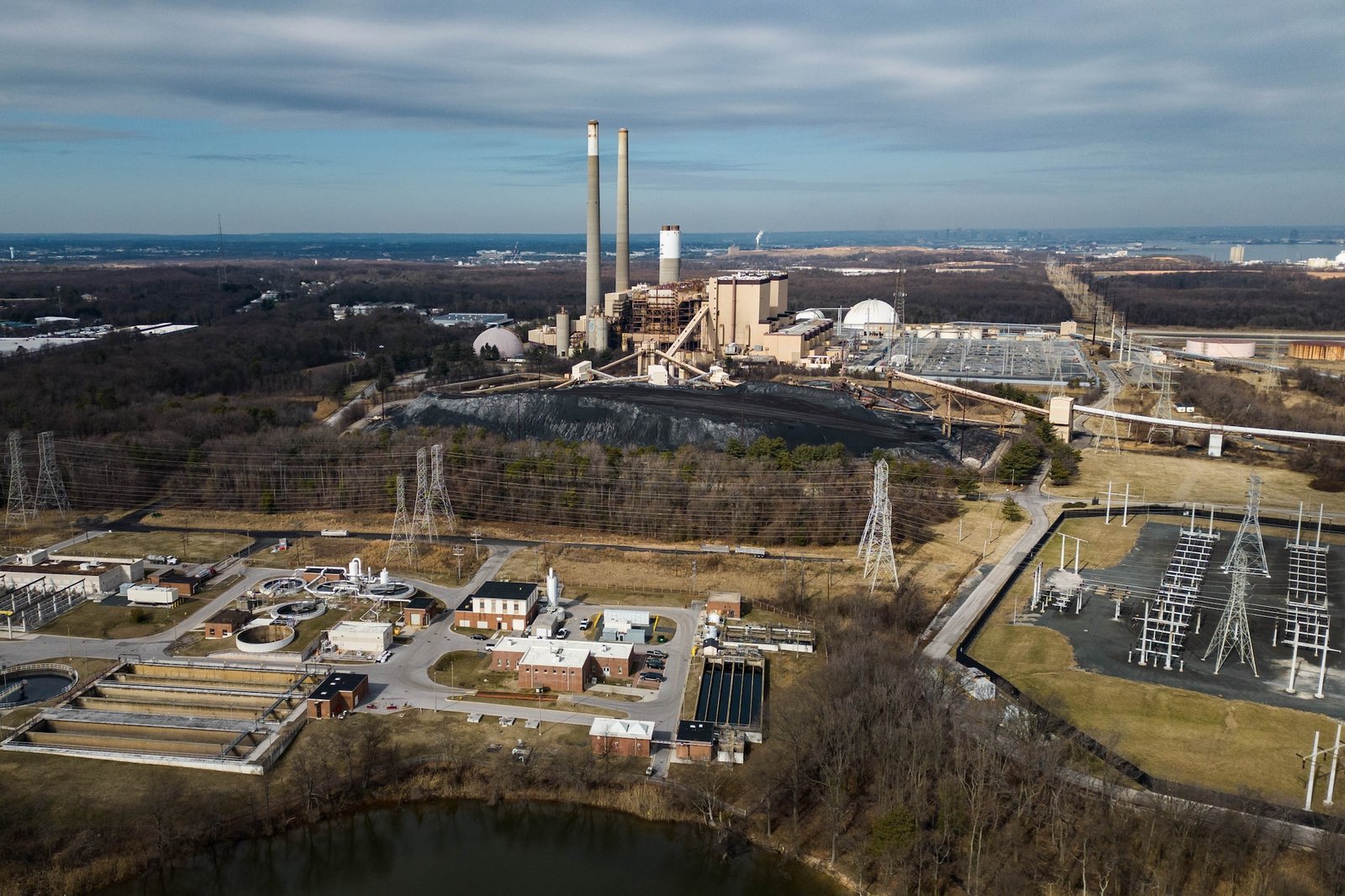
PJM asked the plants owner, Texas-based Talen Energy Corp., to keep them running through 2028 with the yet-to-be determined cost of doing so passed on to ratepayers.
That would mean amending a 2018 federal court consent decree, in which Talen agreed to stop burning coal to settle a lawsuit brought by the Sierra Club over Clean Water Act violations. The Sierra Club has rejected PJMs calls to do so.
We need a proactive plan that is consistent with the states clean energy goals, said Josh Tulkin, director of the Sierra Clubs Maryland chapter, which has proposed an alternative plan to build a battery storage facility at the Brandon Shores site that would cut the time needed for the plants to operate.
A PJM spokesperson said the organization believes that such a facility wouldnt provide enough reliable power and is not ruling out seeking a federal emergency order to keep the coal plants running.
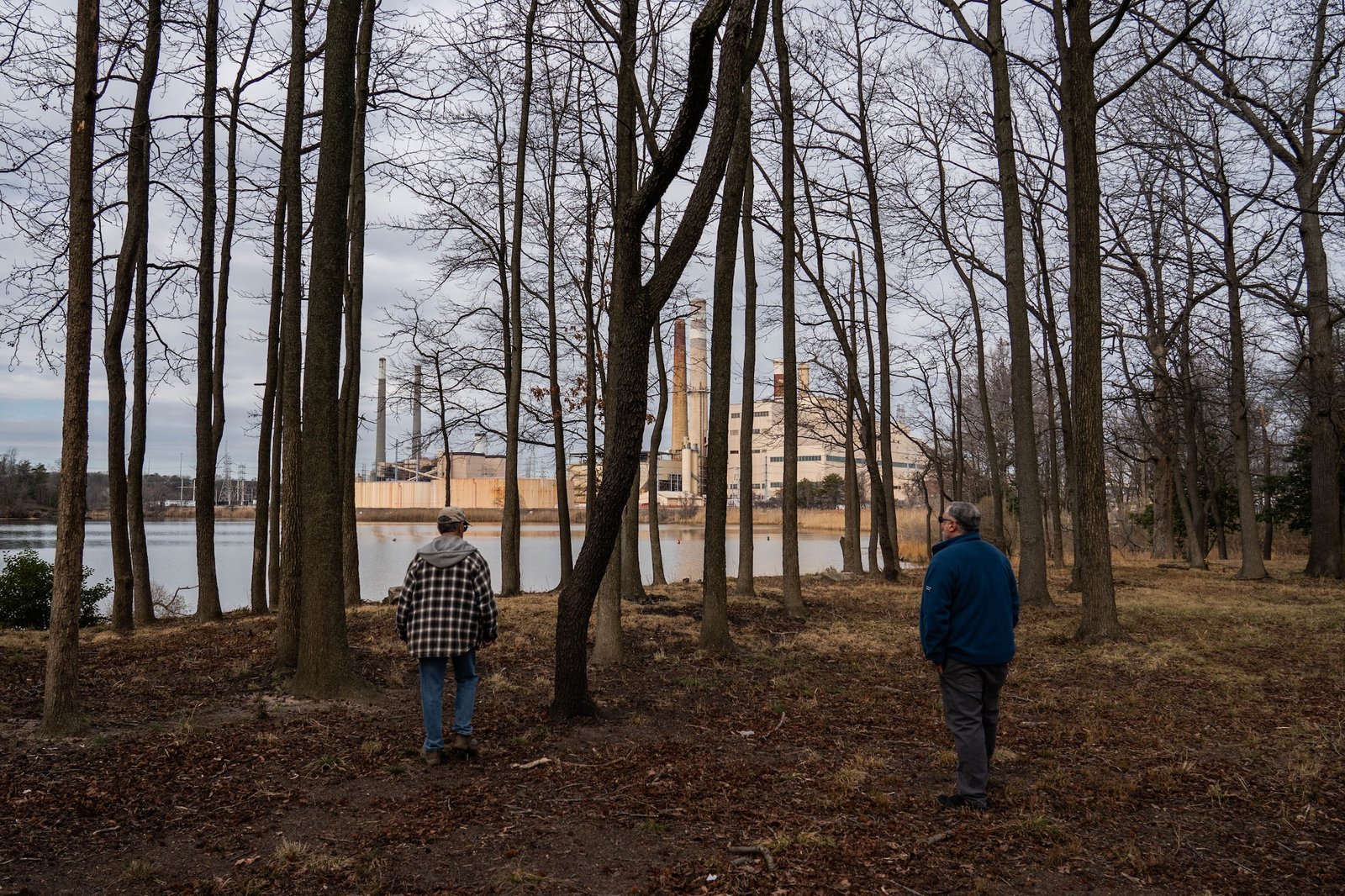
With the matter still unresolved, nearby residents say they are anxious to see them closed.
Its been really challenging, said John Garofolo, who lives in the Stoney Beach neighborhood community of townhouses and condominiums, where coal dust drifts into the neighborhood pool when the facilities are running. Were concerned about the air were breathing here.
Sounding alarms
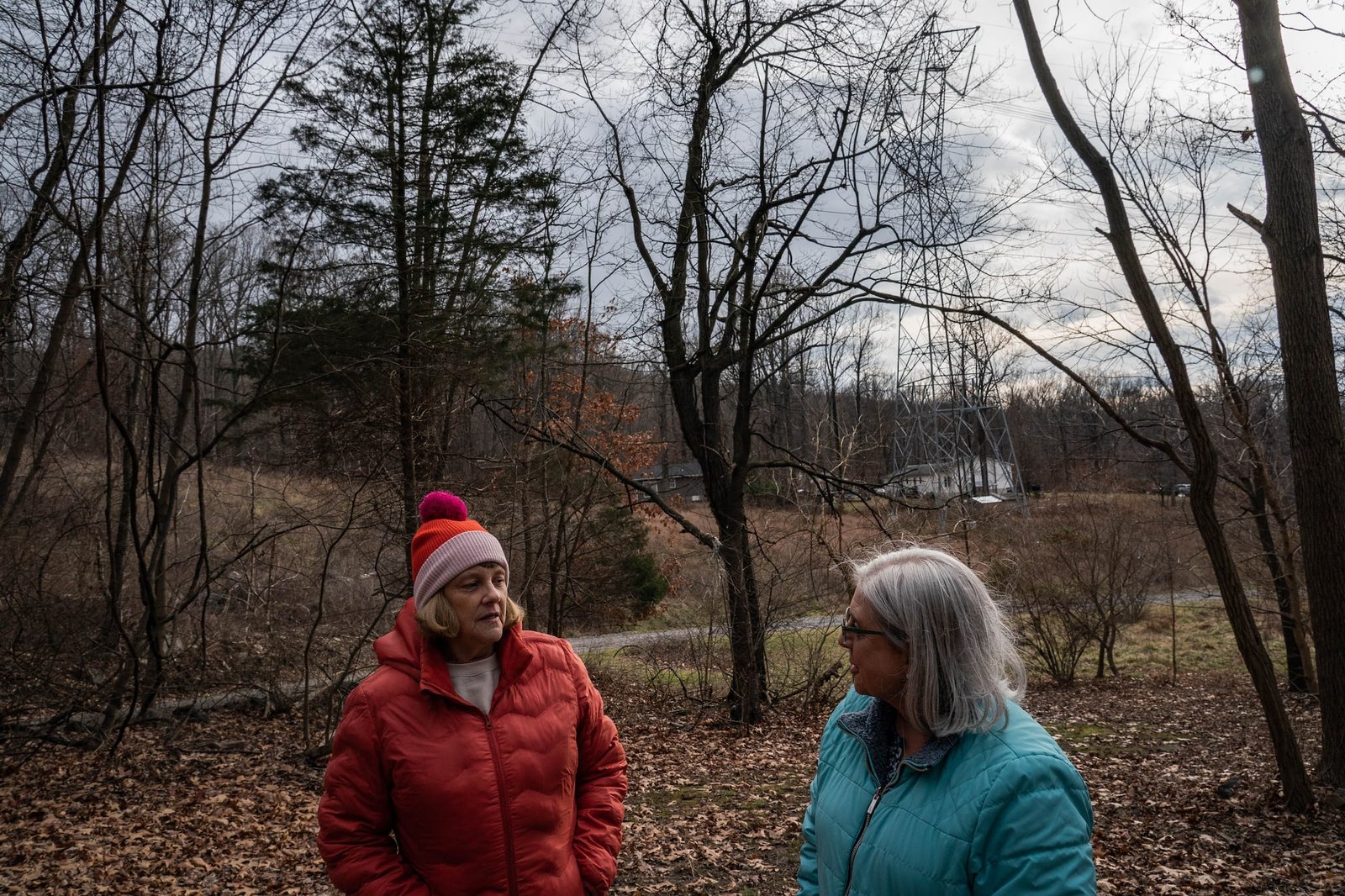
Keryn Newman, a Charles Town activist, has been sounding alarms in the small neighborhoods and farm communities along the path of the proposed power lines in West Virginia.